
Good care is mostly preventive. Clean hands, sensible storage and quick action after moisture or spills protect a bag more effectively than frequent use of strong cleaning products. Always adjust the method to the material.
Routine cleaning
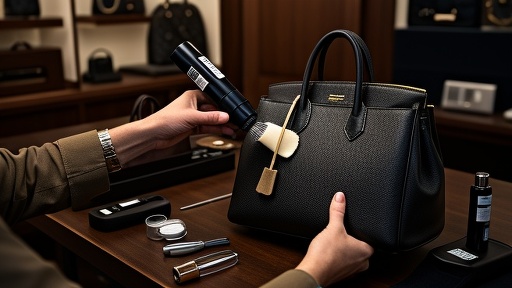
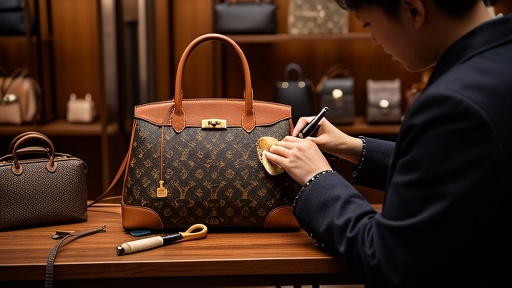
After use, empty the bag and remove dust with a clean, soft cloth. For textured leather, wipe gently in the direction of the grain. Do not scrub. For canvas and nylon, spot-clean carefully with a slightly damp cloth and allow the surface to air-dry.
Avoid alcohol, bleach, household wipes and heavily fragranced cleaners. Even products marketed for leather should be tested on a hidden area first.
Moisture and humidity
If the bag becomes wet, blot the moisture with a dry absorbent cloth. Do not use a hair dryer or place the item next to a heater. Reshape it lightly and let it dry naturally in a ventilated room.
In humid climates, store bags with a small moisture absorber nearby, but do not place chemical sachets directly against the material. Inspect stored bags regularly instead of leaving them untouched for months.
Shape and storage
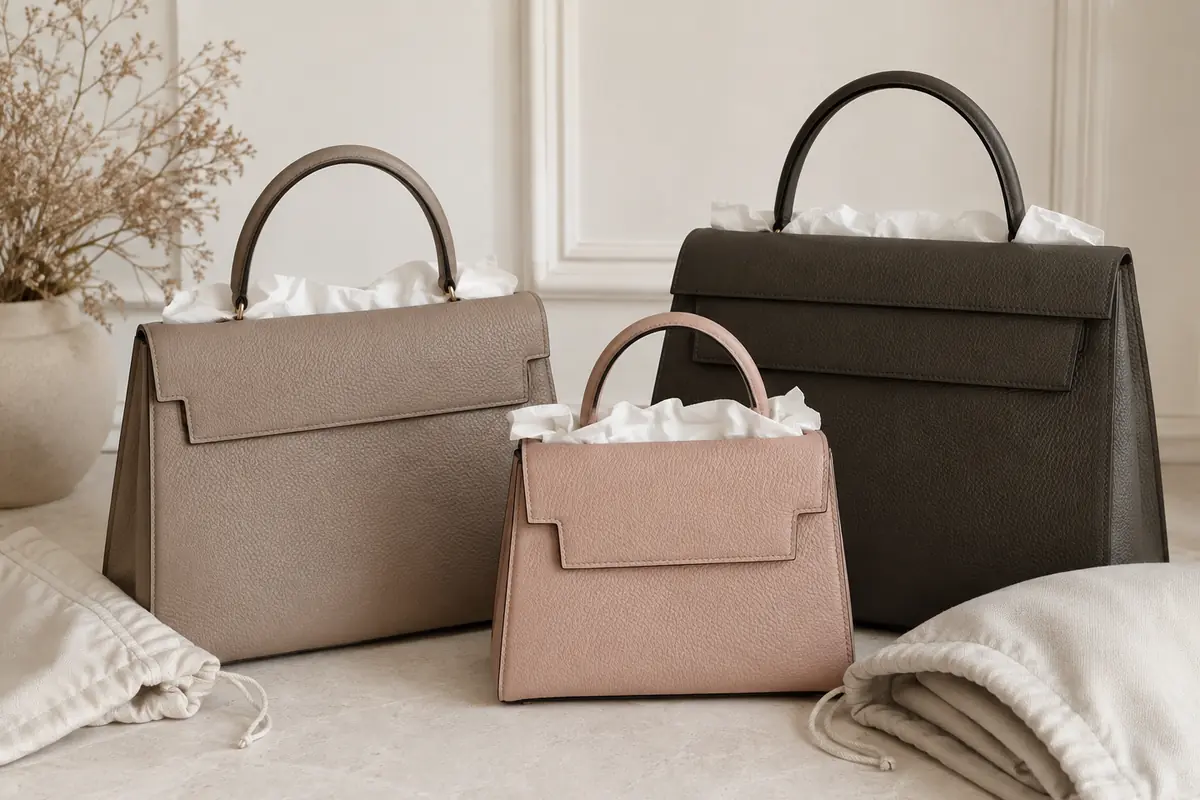
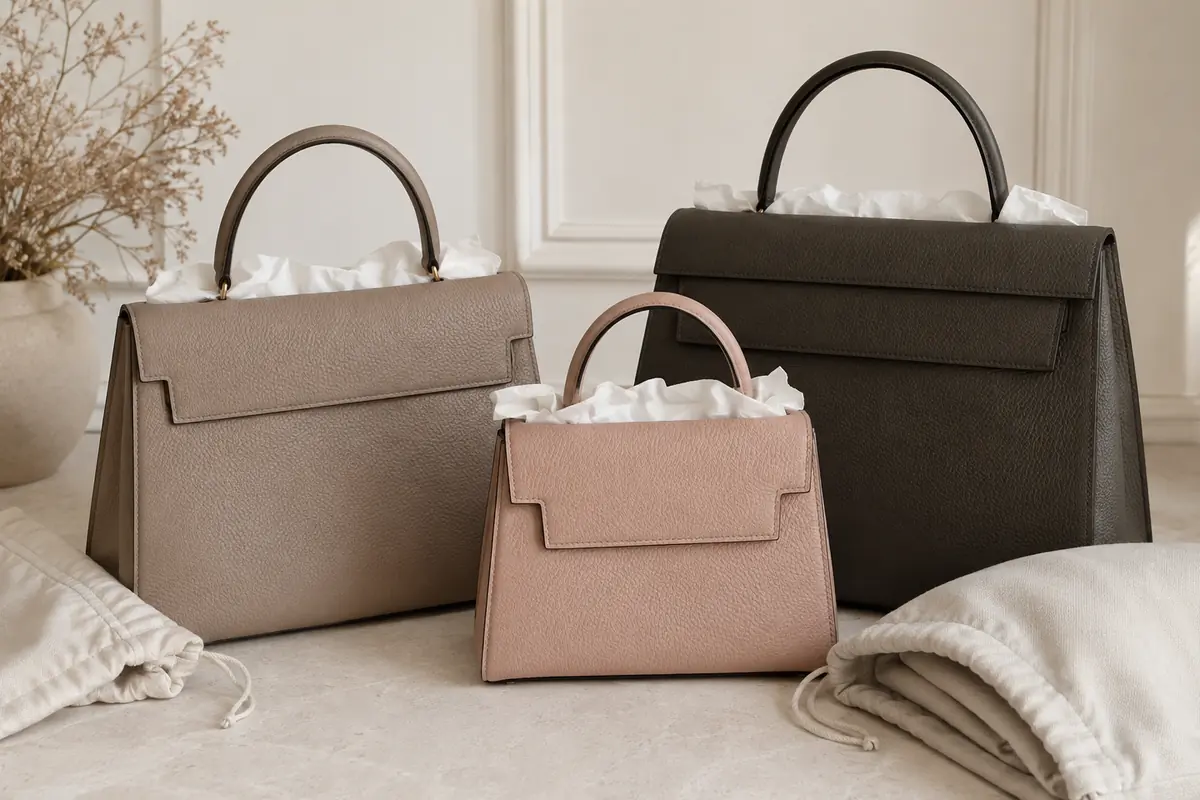
Fill the interior with clean, acid-free tissue or a soft bag pillow. Avoid newspaper because ink can transfer. Fasten straps loosely and keep heavy chains from pressing into soft leather.
Use a breathable dust bag and leave space around the item. Do not stack heavy objects on top. Long straps should be supported rather than folded sharply.
Prevent scratches and color transfer
Keep smooth leather away from rough walls, embellished clothing and sharp jewelry. Dark denim can transfer color onto pale leather and canvas, especially when there is friction or moisture.
Rotate frequently used bags and avoid carrying the same piece in heavy rain or extreme heat.
Material-specific notes
Lambskin benefits from very gentle handling. Grained leather tolerates regular use better but still needs protection at corners. Suede should be kept dry and brushed lightly with the correct tool. Metal hardware should be wiped with a dry microfiber cloth, without abrasive polish.
For significant stains, deep scratches or structural issues, use a specialist rather than experimenting with multiple products.
Continue exploring: bags materials guide.
Final checklist
Keep care simple: remove dust, respond to moisture quickly, support the shape and store the bag in a breathable environment. Prevention protects color, structure and finish better than aggressive cleaning.