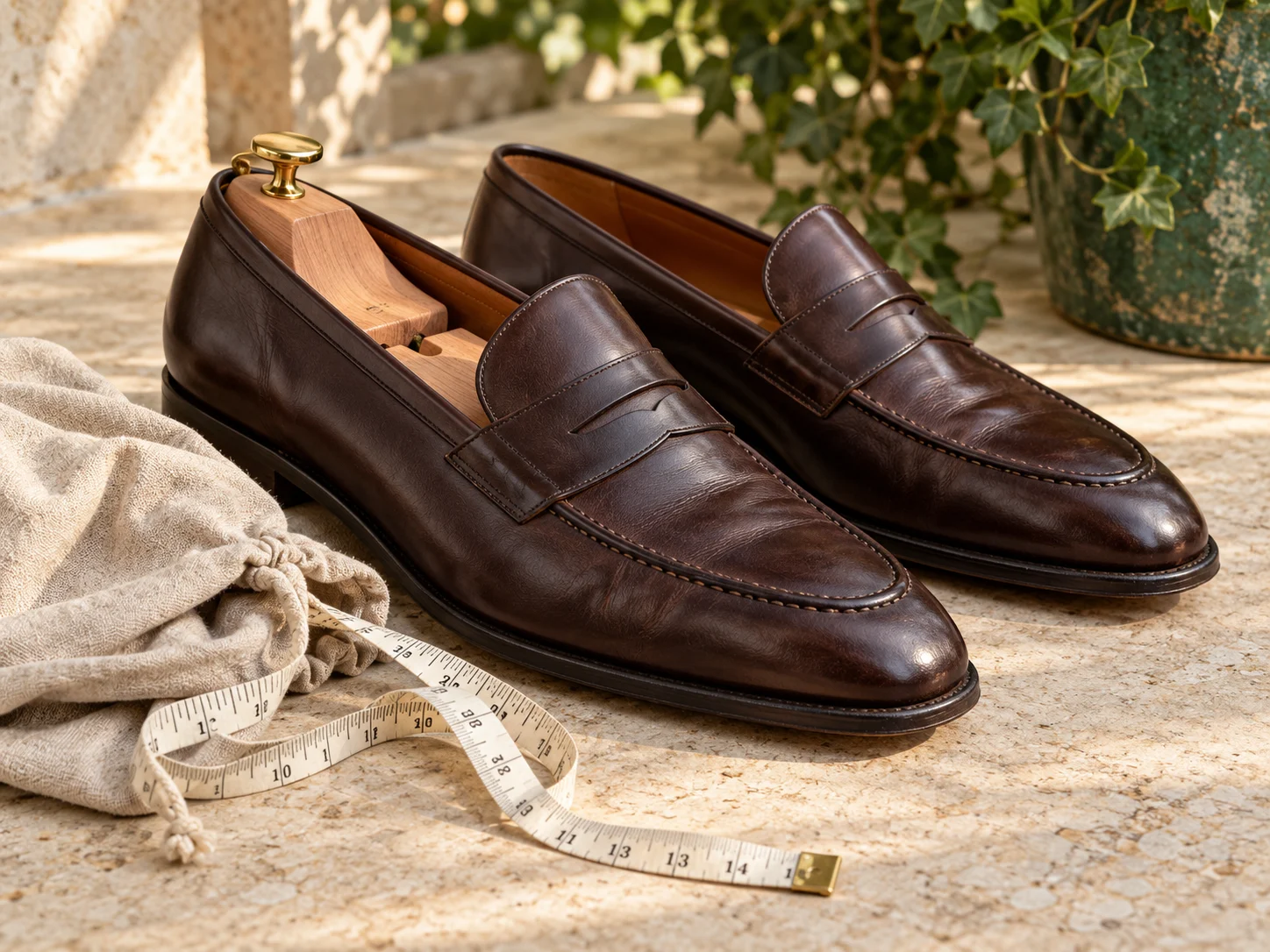
Une hauteur modérée et une base de talon stable peuvent réduire la demande lors d'événements plus longs.
La réponse rapide
Les talons plus confortables combinent une hauteur gérable avec une base stable, une forme d'orteil compatible et un ajustement sûr qui empêche le pied de glisser vers l'avant. Comparez la hauteur du talon avec la hauteur de la plate-forme, parce que le pas efficace compte plus que la seule mesure arrière. La balle du pied devrait s'asseoir près de la partie la plus large de la chaussure, les orteils ne devraient pas être comprimé et le talon devrait se sentir centré sous le corps. Choisissez la paire pour la durée réelle, les surfaces et la quantité de marche en cause. Le padding peut améliorer la sensation, mais il ne peut pas corriger le mauvais équilibre, le tangage excessif ou la mauvaise forme.
Définir la véritable situation de port
Une chaussure pour un dîner assis a des exigences différentes d'un mariage, d'une journée de travail ou d'un événement impliquant les transports en commun. Estimation du temps debout, de la distance de marche, des escaliers et du type de surface. Des planchers intérieurs lisses, des pavages inégaux, de l'herbe et des escaliers mécaniques nécessitent une stabilité différente. Apportez la tenue prévue dans la décision, mais ne laissez pas l'apparence cacher une inadéquation entre la chaussure et l'horaire.
Réglez une hauteur maximale réaliste en fonction des paires que vous avez déjà portées avec succès. Un talon modéré familier peut être plus utile qu'un style dramatique porté pendant vingt minutes. Si l'événement dure de nombreuses heures, planifier des pauses ou un changement de chaussures le cas échéant. Le confort commence par choisir la bonne tâche, pas par ajouter des produits après l'achat.
Comprendre la hauteur du talon et le tangage efficace
La hauteur du talon est souvent mesurée à l'arrière, mais la sensation sous le pied dépend de la différence entre la hauteur du talon et celle du pied avant. Une plate-forme frontale réduit le tangage efficace. Deux chaussures avec le même talon annoncé peuvent donc se sentir très différents. Les photos latérales montrent la pente du talon aux pieds et si le pied est maintenu en position raide.
Un pas très raide pousse plus de charge vers le pied avant et encourage le glissement. Une petite plate-forme peut réduire la pente mais peut aussi réduire la sensation de sol et ajouter du poids. Vérifiez comment la semelle courbe sous l'arc et où le talon rencontre le sol. Choisissez une construction qui se sent équilibrée plutôt que de se concentrer sur un numéro de hauteur.
L'emplacement et la position du pied avant comptent autant que la mesure annoncée du talon.
Choisissez une base de talon qui correspond à la surface
Un talon plus large offre normalement une zone de contact plus grande qu'un talon mince et peut se sentir plus stable sur des surfaces inégales. Un talon évasé ou en forme peut également être stable lorsque la base est large. Les talons minces peuvent travailler sur des planchers lisses fermes mais s'enfoncer dans l'herbe et les trous. La stabilité dépend de la construction et du placement, pas seulement de l'apparence.
De l'arrière, le talon doit apparaître aligné au lieu de se pencher sensiblement. Du côté, il devrait s'asseoir sous le talon plutôt que loin derrière. Appuyez doucement sur la chaussure sur une surface plane pour voir si elle se brise. Les photos du produit doivent montrer le talon sous plusieurs angles. Un talon décoratif a encore besoin d'un chemin de charge cohérent.
Correspondez la boîte aux pieds avant
Les orteils pointus comprennent souvent une longueur décorative vide au-delà des orteils, mais les côtés étroits peuvent encore compresser les pieds avant. Les formes rondes et amandes varient considérablement. Comparez votre ligne d'orteil et votre largeur avec la forme visible. La balle du pied devrait s'asseoir à la partie la plus large de la chaussure plutôt que d'être repoussée dans une section étroite.
Le calibrage n'est pas toujours la solution car une longueur supplémentaire peut augmenter le glissement alors que le point étroit reste au mauvais endroit. Recherchez une largeur suffisante, une flexibilité supérieure appropriée et un talon sûr. Si un style montre un gonflement latéral visible lorsqu'il est porté, la forme peut être incompatible même lorsque la taille de l'étiquette semble correcte.
Commande coulissante vers l'avant
Le glissement vers l'avant augmente la pression des orteils et peut faire couper les sangles dans la peau. Suspendre le talon en toute sécurité, la longueur appropriée et un pied avant stable réduisent le mouvement. Une sangle de cheville peut aider, mais elle doit être positionnée et ajustée sans restreindre la circulation. Un dos d'élingue doit retenir le talon sans glisser pendant les marches normales.
Doublure très lisse peut se sentir doux tout en permettant le mouvement. Les repose-pieds texturés ou façonnés peuvent améliorer le contrôle, mais les coussinets encombrants peuvent réduire l'espace. Utilisez seulement les accessoires fins appropriés pour la chaussure et testez-les à l'intérieur. Ne pas dépendre d'un paillasson avant pour faire un ajustement de chaussure nettement surdimensionné ou trop raide.
Les pailles doivent tenir le pied sans couper dans la peau ou pousser les orteils vers l'avant.
Inspecter la doublure, les coutures et le contact des bords
Le bord supérieur ne doit pas traverser une articulation sensible. Vérifiez les coutures près des orteils, des côtés et du talon. Un revêtement souple peut réduire le frottement, mais les rides ou les joints épais créent une pression. Les sangles transparentes et synthétiques peuvent être différentes à mesure que la température change. Le matériel décoratif ne doit pas appuyer sur le pied lorsqu'il est debout.
Portez les chaussures à l'intérieur assez longtemps pour identifier le contact répété tout en préservant leur état. Marchez, tournez, asseyez-vous et utilisez les escaliers. Les pieds deviennent souvent plus pleins plus tard dans la journée, donc une paire qui est déjà serré tôt peut ne pas s'améliorer. Un adoucissement mineur du matériel est possible, mais la pression et l'engourdissement aigus ne sont pas des objectifs normaux de cassure.
Évaluer l'équilibre en mouvement
Tenez-vous avec le poids distribué uniformément et notez si vous vous sentez poussé sur les orteils ou tiré vers l'arrière. Prenez des mesures naturelles plutôt que de courtes mesures prudentes. La chaussure doit se plier à un point compatible sous le pied avant. Une semelle rigide qui se penche trop loin vers l'avant ou pas du tout peut rendre la marche gênante. Écouter le contact de bercelage ou de talon instable.
Pratique sur le type de surface attendu à l'événement. Le tapis peut cacher l'instabilité qui apparaît sur le sol dur. Ne jamais tester de nouveaux talons à l'extérieur avant de décider de les garder. Si vous ne pouvez pas marcher avec un rythme normal à l'intérieur, le problème est peu susceptible de disparaître lors d'un événement plus long.
Construisez un plan pratique pour les vêtements plus longs
Choisissez le talon efficace le plus bas qui produit la silhouette désirée. Briser le temps de port dans des périodes raisonnables et éviter d'introduire une hauteur complètement inconnue à un événement important. Portez des chaussures plates propres lorsque l'horaire comprend un long voyage ou une installation. Gardez les pieds au sec et utilisez des chaussettes ou des chaussons adaptés à la conception.
Après l'usure, laissez les chaussures s'aérer à l'ombre avant le stockage. Inspectez les extrémités, les sangles et les bords de la semelle. Un petit problème d'entretien est plus facile à résoudre avant le prochain événement. Le talon le plus utile n'est pas la paire la plus élevée que vous puissiez tolérer brièvement; c'est la paire qui supporte la routine complète avec un mouvement contrôlé et confiant.
Vérifier la taille et l'ajustement à l'arrivée
Essayez les talons à l'intérieur sur une surface propre plus tard dans la journée avec l'état de chausserie ou pieds nus destiné à l'usure. Vérifiez les deux pieds en se tenant debout. Le talon ne devrait pas soulever trop, les pieds avant ne devraient pas se déverser sur la semelle et la partie supérieure ne devrait pas laisser de pression aiguë à travers les orteils. Attachez chaque sangle avant de juger parce qu'une boucle ouverte change de position.
Marcher pendant plusieurs minutes, tourner, s'asseoir et se tenir à nouveau. Remarquez si le pied continue de glisser vers l'avant lorsque la partie supérieure se réchauffe. Ne pas ajouter plusieurs tampons immédiatement, car ils peuvent cacher le vrai ajustement et réduire l'espace. Gardez l'emballage organisé et évitez l'usure à l'extérieur jusqu'à ce que la paire ait subi une épreuve d'intérieur réaliste et que les conditions de retour applicables aient été examinées.
Foire aux questions
Les talons sont-ils toujours plus confortables que les talons fins ?
Ils fournissent souvent une base plus grande, mais le tangage, la forme des orteils, l'ajustement et le placement déterminent encore le confort.
Une plate-forme facilite-t-elle le port des talons hauts?
Une plate-forme peut réduire le tangage efficace, mais elle peut ajouter du poids et réduire la sensation de sol. Évaluer la construction complète.
Les talons doivent-ils être plus serrés que les chaussures plates?
Ils doivent tenir le pied solidement sans comprimer les orteils, couper les sangles ou causer l'engourdissement. La ténacité n'est pas une stabilité.
Les coussinets en gel peuvent-ils réparer des talons inconfortables?
Ils peuvent changer légèrement la pression, mais ils ne peuvent pas corriger la mauvaise taille, la forme incompatible ou le mauvais équilibre.
Guides connexes
Comment mesurer vos pieds à la maison
Guide de la taille des chaussures de l'UE
Guides pour la chaussure
Besoin d'aide pour comparer un article?
Examiner les mesures, les matériaux et l'utilisation prévue avant de commander. Pour des questions spécifiques au produit, contactez le support ORBUYBAG et demandez des photos claires, des dimensions et une courte vidéo de détail.
Conseils révisés : vérifiez la pièce, le devis et les conditions du service avant tout achat.