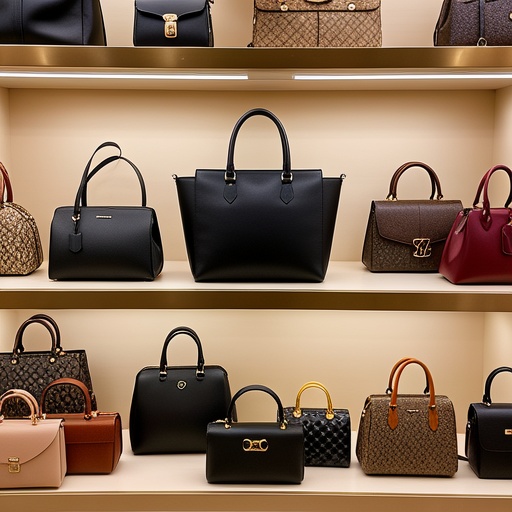
A first bag purchase is easier when you begin with your real routine rather than a logo, a trend or a single product photo. The best choice is the one that fits your budget, carries what you need, works with your wardrobe and can be maintained without turning daily use into a source of stress.
Start with a use-case, not a brand name
Write down where the bag will be used most often: commuting, weekends, travel, dinners or a mix of several situations. A work bag usually needs a stable base, an easy opening and enough room for daily essentials. A weekend bag can be lighter and more flexible. An event bag can be smaller, but the strap length and closure still matter.
Once the use-case is clear, compare shapes that solve the same problem. A tote offers open capacity, a shoulder bag keeps the profile close to the body, a crossbody leaves both hands free, and a top-handle bag creates a more structured look.
Set a budget that includes the whole purchase
Budget for more than the listed item. Delivery, local duties, after-sales support, storage accessories and future care can all affect the real cost. Decide on a maximum before browsing, then compare items inside that range instead of moving the ceiling every time a new design appears.
A practical rule is to spend more on features you will use repeatedly: a comfortable strap, a secure closure, durable corners and a size that suits your routine. Decorative details should come after usability.
Check proportion and size
Measurements are more reliable than labels such as mini, small or medium because those labels vary between lines. Compare the listed width, height and depth with a bag you already own. Place the measurements against your phone, wallet, glasses case and other daily items.
Also consider your height and preferred carry position. A long strap can place a small bag too low, while a wide tote may feel bulky on a smaller frame. Product images from several angles are useful, but measurements should make the final decision.
Choose material according to your tolerance for wear
Smooth leather can look refined but may show scratches. Grained leather is often easier for frequent use. Lambskin feels soft and polished but benefits from careful handling. Canvas is lighter and can be practical for travel. Nylon is useful in wet or busy environments, while suede needs more protection from moisture and color transfer.
No material is universally best. Choose the surface you are willing to maintain and the texture that fits the way you dress.
Evaluate the listing and seller process
Review clear images of the front, back, base, corners, interior, hardware, strap and closure. Ask for measurements when they are not shown. Confirm what is included, how color may vary under different lighting, what happens before dispatch and how after-sales questions are handled.
Avoid making a decision from one hero image or a short title. A useful product page should give enough detail to compare the item with alternatives.
Continue exploring: bags shoulder bags tote bags.
Final checklist
Before ordering, confirm five points: the main use-case, exact measurements, material, carry method and the seller's confirmation process. When all five fit your routine, the purchase is more likely to remain useful long after the initial excitement.