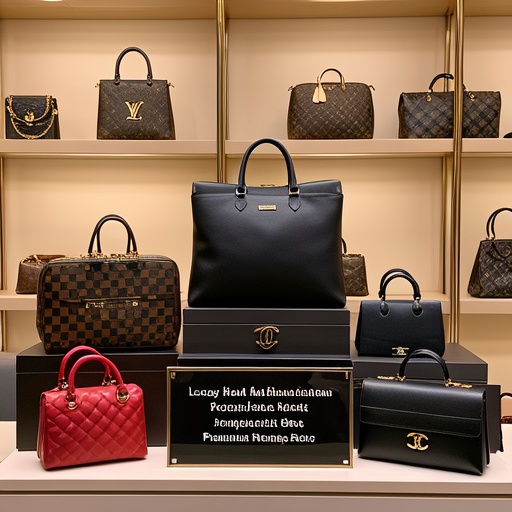
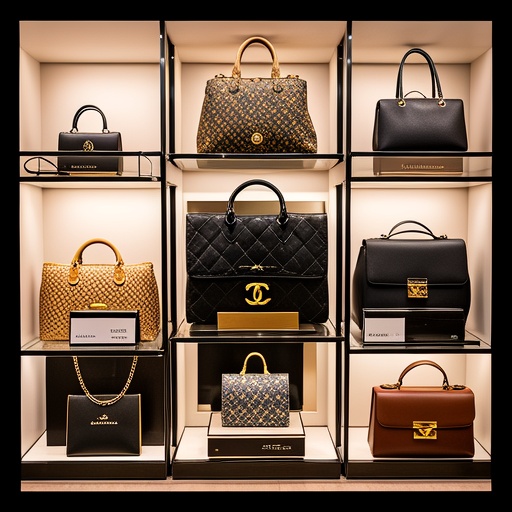
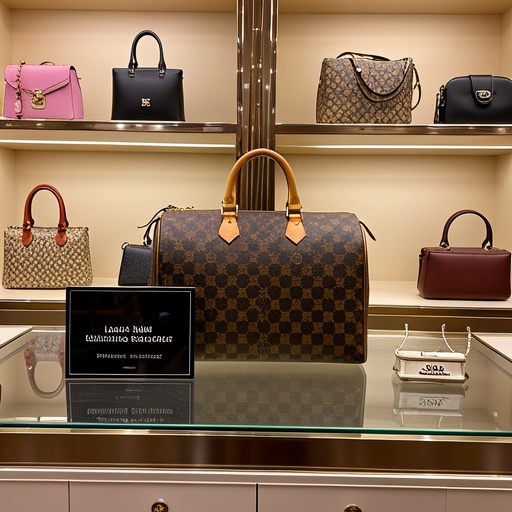
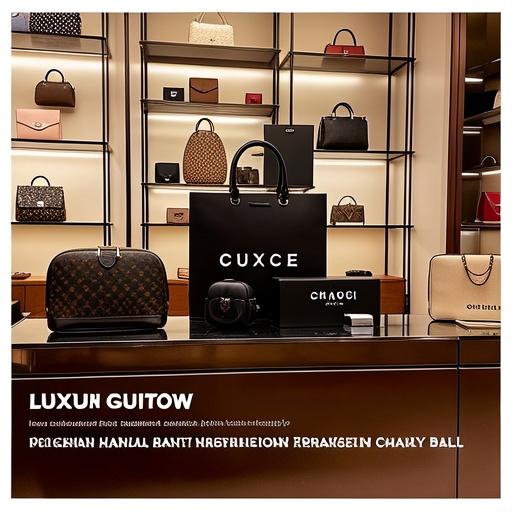
In today's consumer market, the luxury second-hand market is gradually showing its unique charm. Second-hand luxury goods of international well-known brands such as LV and Gucci have attracted the attention of many consumers with their relatively affordable prices and classic designs. However, in this seemingly glamorous second-hand market, it is essential to master certain purchasing and valuation skills if you want to buy luxury goods you like and value for money.
First, an overview of the luxury second-hand market
The luxury second-hand market is a huge and complex transaction field. With the improvement of people's living standards and the change of consumption concepts, more and more people are willing to buy second-hand luxury goods. On the one hand, for some consumers, buying second-hand luxury goods is a way to own high-end brand products at a lower cost; on the other hand, some consumers regard it as an investment behavior, expecting to reap profits through resale at the right time. Brands such as LV and Gucci have always occupied an important position in the second-hand market due to their high popularity and market recognition. Their classic styles, such as LV's Speedy series handbags and Gucci's Bacchus bags, are even more sought after.
Second, the preliminary preparation for purchasing second-hand luxury goods
1. Understand brand knowledge
Before venturing into the luxury second-hand market, in-depth knowledge of brands such as LV and Gucci is the foundation. Each brand has its own unique design style, iconic elements and development history. Take LV as an example, its classic Monogram pattern, Damier Ebene checkerboard pattern, etc. are all symbols of high brand recognition. Gucci is famous for its double G logo, retro style, etc. Knowing this knowledge can help to quickly identify the authenticity and approximate age of the product when purchasing.
2. Determine the budget
Knowing your budget is the key to rational consumption. The price of second-hand luxury goods varies depending on factors such as the quality, style, and age of the product. Before buying, determine a reasonable budget range according to your financial strength. For example, if the budget is limited, you can consider some more basic styles or products that are slightly older but do not affect the use. At the same time, you should also avoid exceeding the budget by blindly pursuing popular styles.
3. Choose a reliable buying channel
At present, there are various channels for purchasing second-hand luxury goods. Online channels include professional second-hand luxury goods trading platforms, such as Hongblin, Only Second, etc. These platforms generally have stricter identification and review processes, which can protect the rights and interests of consumers to a certain extent. In addition, some brands' official second-hand trading channels are also gradually emerging. Although there are relatively few choices, the quality and after-sales are more guaranteed. There are second-hand luxury brick and mortar stores offline. Buying at the brick and mortar store can intuitively check the details and fineness of the product and communicate face-to-face with the sales staff. Whether it is online or offline channels, it is necessary to ensure its formality and credibility.
Third, the authenticity of second-hand luxury goods
Step 1 Observe the appearance details
- Material: LV, Gucci and other brands are very careful in the choice of materials. For example, LV's handbags are usually made of high-quality canvas or leather. The canvas is thick and clear in texture, while the leather feels soft and has a natural texture. Some Gucci bags will use high-end calfskin or suede, which is delicate to the touch. If the material is rough or smelly, it is likely to be counterfeit.
- Craftsmanship: The genuine craftsmanship is exquisite, the stitches are uniform and fine, and the needle spacing is the same, so there will be no skipping needles, off-threading, etc. LV bag stitches are generally waxy threads, which are strong, durable and have a certain luster. Gucci's double G logo and other embroidery or printing parts have clear patterns, neat edges and uniform colors.
- Hardware accessories: Luxury hardware is usually of high quality, with uniform color and a certain sense of weight. LV hardware is mostly gold or silver, with a smooth surface and is not easy to fade and rust. Gucci hardware accessories generally have a clear brand logo and fine workmanship. If the hardware color is dull, the coating falls off or the logo is blurred, it is likely to be a copy.
Step 2 Check the brand identity
- Brand Logo: LV's logo font has its own specific design specifications, letter spacing and font thickness are exquisite. Gucci's double G logo shape and size also have strict standards. The logo of counterfeit products often has deviations in details, such as letter deformation and logo size.
- Origin identification: Luxury goods are generally marked with the origin, and the identification of different origins may be different. For example, the origin identification of LV products is generally located on the label inside the bag, and common origins are France, the United States, etc. Understanding the characteristics of these origin labels can help to distinguish between authenticity.
3. Obtain an appraisal certificate
If there is any doubt about the authenticity of the product, it is best to ask the seller to provide a professional appraisal certificate. Some authoritative appraisal agencies, such as the central inspection, will conduct a comprehensive inspection and evaluation of luxury goods and issue a legally binding appraisal certificate. When purchasing, pay attention to check the authenticity and timeliness of the certificate.
IV. Valuation techniques for second-hand luxury goods
1. Quality assessment
The fineness is one of the important factors that affect the second-hand price of luxury goods. Generally speaking, the fineness can be divided into several grades such as brand new, unused, slightly used, medium used and severely used. Brand new second-hand luxury goods are relatively expensive, close to a certain percentage of the original price. Although unused products have not been actually used, because they are second-hand, the price will be slightly lower than that of brand new products. If the appearance and function of slightly used products are basically intact, the price will also be more considerable. For medium use and severely used products, the price will be reduced according to the degree of wear and tear. For example, a LV Speedy 25 handbag with slight use may be around 60% -80% of the original price, while a severely used one may only be worth 30% -40% of the original price.
2. Style popularity
Popular styles tend to command higher prices in the second-hand market. Some LV limited-edition or classic best-selling styles, such as the Neverfull series of handbags, can maintain high prices even for second-hand due to high market demand. Some special color schemes or material versions of Gucci's Bacchus bags are also favored. On the contrary, some less popular or outdated styles will be relatively cheap. When valuing, pay attention to current market trends and style popularity.
3. Age and rarity
Old and well-preserved second-hand luxury goods may have some collectible value. For example, some early LV Monogram handbags may have increased their market value over time. At the same time, rarity is also a factor that affects the price. Limited-edition, specially customized luxury goods are usually priced higher than ordinary styles due to their scarcity. Some limited-edition products from Gucci, launched in collaboration with well-known designers, tend to fetch high prices in the second-hand market.
4. Accessory integrity
Luxury accessories, such as dust bags, packaging boxes, manuals, ID cards, etc., also have a certain impact on the valuation of the product. Complete accessories can enhance the added value of the product. For example, a Gucci handbag with a full set of original accessories may cost about 10% -20% more than the same handbag without accessories.
V. Precautions for buying second-hand luxury goods
1. Sign a purchase contract
When buying second-hand luxury goods, especially high-value products, it is best to sign a detailed purchase contract. The contract should specify the brand, style, fineness, price, after-sales terms and other information of the product to protect the rights and interests of both parties. If there is a problem with the product later, it can be dealt with according to the contract.
2. Understand the after-sales policy
Different purchase channels have different after-sales policies. Before purchasing, it is necessary to clearly understand whether the merchant provides return and exchange services, warranty services, etc. Generally speaking, professional second-hand luxury goods trading platforms will have a certain after-sales guarantee period. If the product is identified as counterfeit or has quality problems, it can be returned and exchanged within the period. Brick and mortar stores may also provide some after-sales maintenance and other services.
3. Rational consumption
Although second-hand luxury goods are cost-effective, it is also necessary to maintain a rational consumption mentality. Don't buy blindly just because the price is relatively low, and ensure that the product meets your needs and preferences. At the same time, you should also be vigilant against the false propaganda and routines of some merchants to avoid falling into consumption traps.
In short, buying LV, Gucci and other brands in the luxury second-hand market requires consumers to have rich brand knowledge, keen discrimination and rational consumption concepts. By mastering purchase and valuation skills, choosing reliable channels, carefully identifying authenticity and evaluating prices, in order to find favorite luxury goods in this market and enjoy the fun of rational consumption.