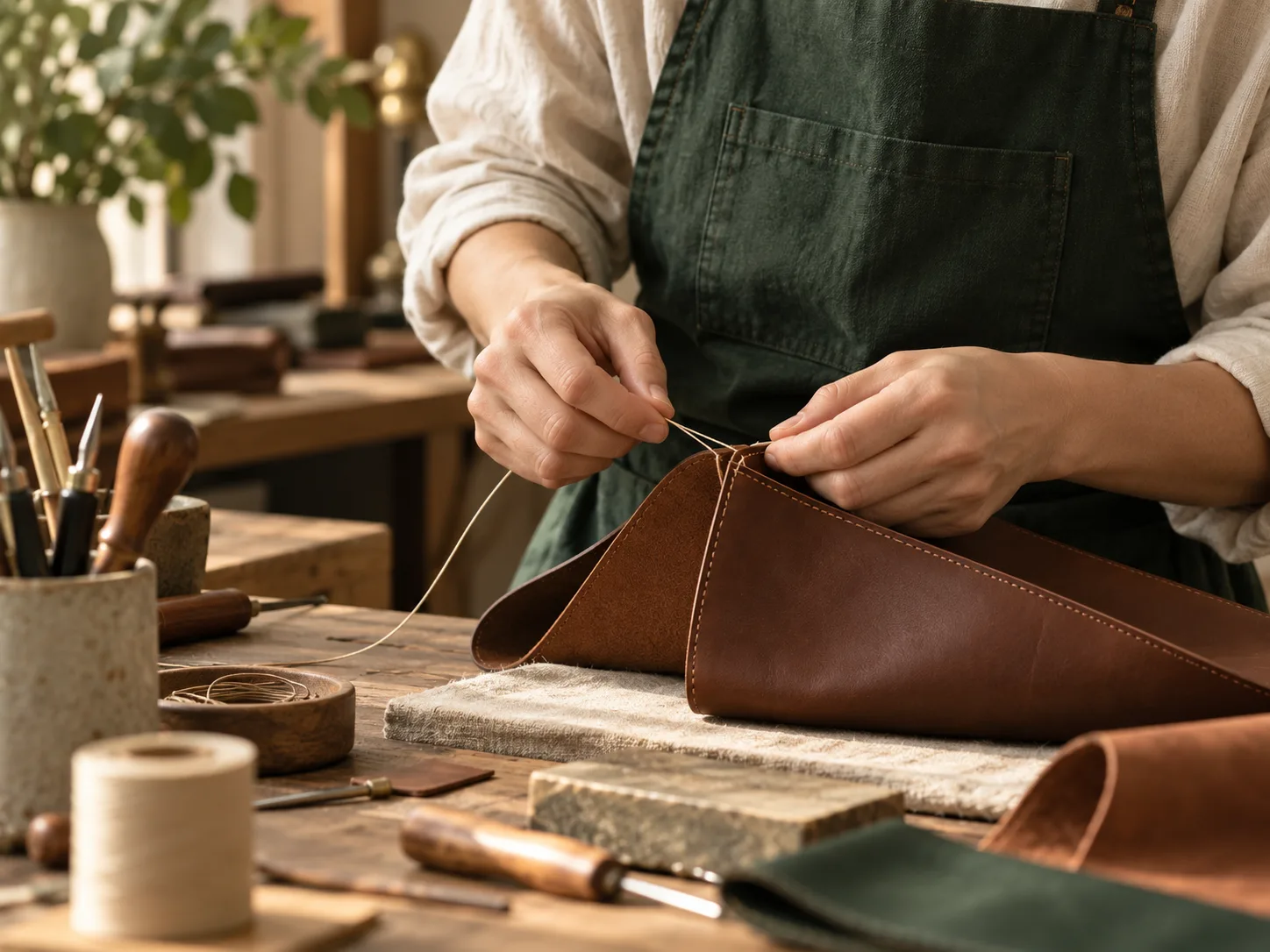
Hermès began with harness-making, not with a modern handbag trend. Its official history dates the Paris workshop opened by Thierry Hermès to 1837. This background helps explain a craft tradition; it does not replace inspection of a pre-owned item.
Separate founding from later milestones
The official timeline records Charles-Émile Hermès moving the workshops and opening a store at 24 Faubourg Saint-Honoré in 1880. Founding, relocation and the development of later product categories are different events, not one interchangeable origin story.
A house history is not a model date
The official timeline places the first silk scarf in 1937 and the Birkin in 1984, and discusses the Kelly among Robert Dumas's work. These are separate product developments, not a shared launch date for everything the house makes.
Leather goods, scarves and individual bag families require their own references. A founding year cannot establish when a particular bag or pattern appeared. Similar series names can also cover different sizes, constructions, materials and periods. Identify the version before drawing comparisons.
Keep craft descriptions separate from authentication
An official account describes the house's work; it does not authenticate an arbitrary object carrying a similar mark. Shape, stamps, stitching, hardware and packaging need item-specific assessment and an understood inspection scope.
Use the context when buying
Define the capacity and carrying style you need, then check version, measurements, material, repairs, accessories and current photographs. Age of a brand does not guarantee a future resale price. This article is not a stock announcement: ORBUYBAG item availability and transaction arrangements require separate confirmation.
References
View current pre-owned listings →
Confirm condition, price and delivery terms for each individual item.