嵐奢包

+85294438892

探索奢華,定義您的風格

包袋選購指南

Structured vs Slouchy Bags: Which Shape Works for Your Style?

04 Aug, 2026    /    瀏覽量:

Structured vs Slouchy Bags: Which Shape Works for Your Style?

Structured vs Slouchy Bags: Which Shape Works for Your Style?(數字1)
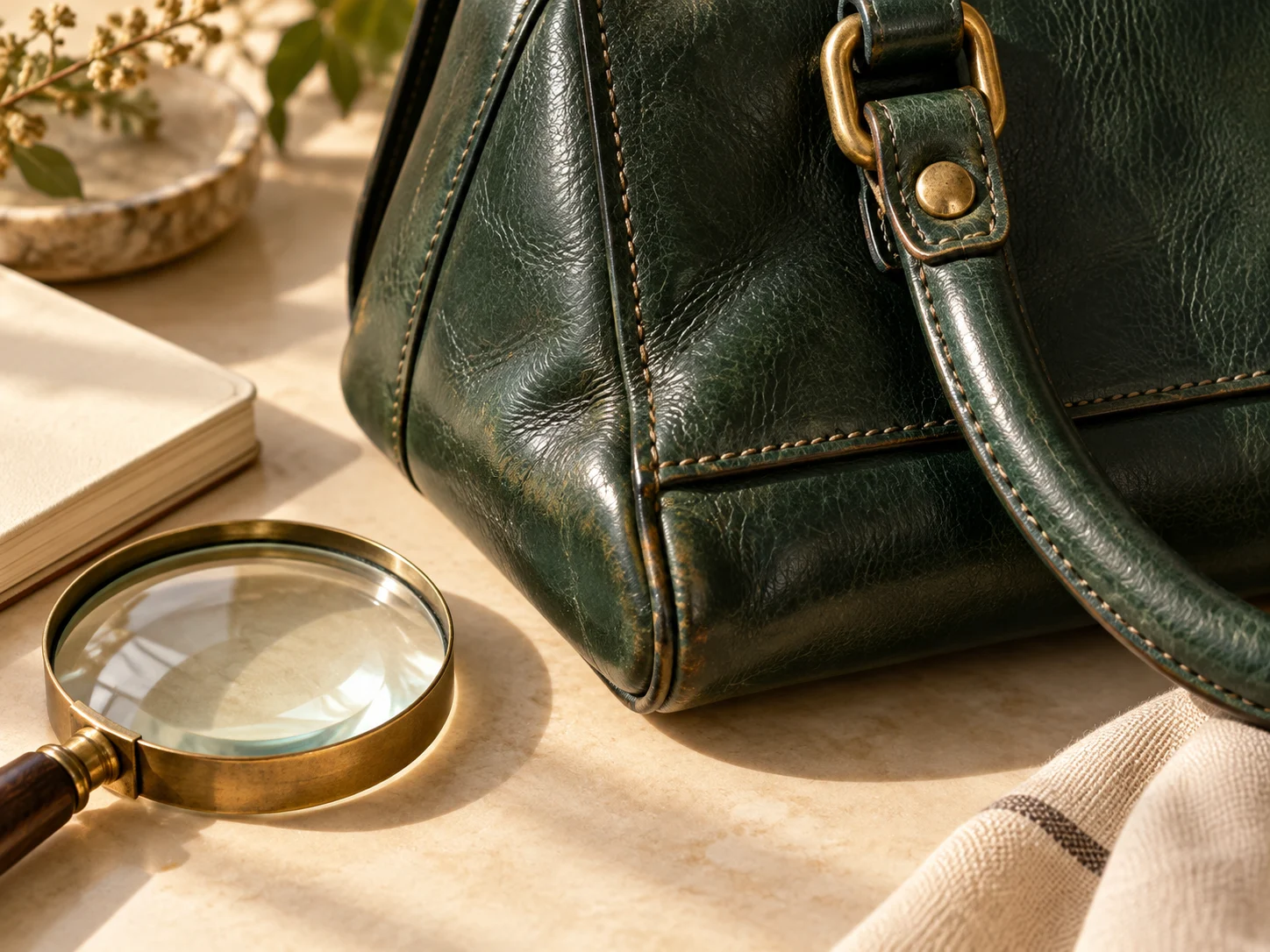
Structure creates a precise outline and helps a bag stand upright.

The quick answer

Choose a structured bag when you want a polished outline, stable base and clear organization. Choose a slouchy bag when you value lighter feel, flexible capacity and a relaxed appearance. Structure is not automatically more formal or better quality, and softness is not automatically casual or less durable. The material, construction, size and load all change the result. For a first everyday bag, a semi-structured shape is often the easiest balance because it holds its form without feeling rigid against the body.

What structured and slouchy actually mean

A structured bag keeps a recognizable shape when empty. Its base, side panels, frame or internal reinforcement resist collapse. A slouchy bag bends and folds more easily, allowing the contents and gravity to define the silhouette. These are points on a spectrum rather than two fixed categories. A bag may have a structured base and soft upper body, or a rigid frame with flexible gussets. Product photographs should show the bag empty and lightly filled so the true construction is visible.

Material alone does not decide structure. Thick leather can be soft, and coated canvas can be reinforced into a rigid shape. Quilting, lining, edge construction and internal boards all influence the result. Ask whether the bag stands without stuffing and whether its shape changes when the strap is used. This is more useful than relying on words such as firm, relaxed or supple, which sellers may interpret differently.

How silhouette changes an outfit

Structured bags create clean lines that work naturally with tailoring, straight coats, dresses and minimal outfits. Their geometry can make a casual outfit look more intentional. Slouchy bags soften sharp clothing and work well with knitwear, denim, fluid trousers and layered looks. The contrast can be useful: a relaxed bag can make formal clothing feel less severe, while a structured bag can give definition to oversized or soft garments.

Scale matters. A small rigid top-handle bag may feel formal, while a large structured tote can look practical and architectural. A compact slouchy shoulder bag can appear refined, while an oversized soft hobo bag feels more casual. Instead of assigning one silhouette to one dress code, consider the total combination of size, material, hardware and color.

Structured vs Slouchy Bags: Which Shape Works for Your Style?(數字2)
A slouchy silhouette adapts to the contents and usually feels more relaxed.

Capacity and usable space

Structured bags protect their outline but do not expand much. External measurements can overstate usable capacity when frames, thick walls and dividers occupy the interior. They are best when the regular load is predictable and objects fit the shape. Slouchy bags accept irregular items more easily and can appear spacious, but the contents may collect at the bottom and create bulk. A soft bag is not unlimited; overfilling can stretch seams, handles and the opening.

For either type, compare the opening and base with the objects you carry. A structured bag should have a little spare room so the closure does not strain. A soft bag benefits from small pouches or a lightweight organizer, but a rigid organizer that is too large can force unnatural corners. Practical capacity is the amount the bag holds while remaining comfortable and visually balanced.

Comfort against the body

A rigid bag keeps its form but may press against the hip or under the arm, especially when wide or deep. Check side-panel edges, base corners and strap position. A slouchy bag usually conforms to the body and can feel less bulky, although heavy contents may create one dense pressure point. The strap design and empty weight often matter more than the silhouette label.

Wear the bag with the normal load and outerwear. A structured top-handle bag may be comfortable by hand but awkward on a short shoulder strap. A soft shoulder bag may slip from smooth clothing. Crossbody use changes both shapes: a rigid bag may bounce, while a soft bag may fold around the contents. Choose the carrying method first, then judge the body shape.

Organization and access

Structured interiors make pockets and dividers easier to use because the walls remain open. The bag can stand beside a desk and allow a clear view of the contents. Slouchy interiors may close inward when the bag is set down, making small items harder to find. One zipped pocket and a few pouches usually provide enough control without making a soft bag heavy.

Opening design is important. A frame or top zipper can limit access in a rigid bag. A wide soft opening is easy to reach but may need a secure closure. If quick access matters, ask for a video showing the bag opened with one hand. If security matters, check whether the opening stays close to the body and whether valuables have a separate zipped section.

Structured vs Slouchy Bags: Which Shape Works for Your Style?(數字3)
Semi-structured designs can combine a clean base with softer side panels.

Materials and maintenance

Smooth leather shows the precision of a structured shape but can reveal corner wear, scratches and pressure marks. Grained leather is more forgiving. Soft lambskin and suede create attractive slouch, yet they require care around friction, moisture and crowded storage. Coated canvas can support either silhouette depending on reinforcement. The best material is the one whose maintenance requirements fit the intended frequency of use.

Structured bags need correct storage so panels do not dent. Use light, clean stuffing and avoid pressure from neighboring items. Slouchy bags should not be forced into a rigid shape; support them gently and keep straps from leaving creases. Never overstuff either type. Follow material-specific instructions and test any care product in a hidden area rather than treating every leather or fabric the same way.

Semi-structured bags as a middle option

A semi-structured bag uses a stable base or defined front panel with softer sides. It can stand when lightly filled but still move comfortably against the body. This design suits people who want a polished appearance without the weight or rigidity of a fully framed bag. It also handles small changes in daily capacity better than a strict box shape.

Look for even construction rather than artificial stiffness. The base should support the contents, and the side panels should fold naturally without collapsing the opening. A removable strap increases versatility. Semi-structured bags are especially useful for work-to-weekend routines because they can coordinate with tailored clothing while remaining practical for walking and casual settings.

How to decide online

Request empty, filled, side and base photographs. Ask whether the bag stands without stuffing and whether the side panels can fold. A short video of the bag being opened, carried and placed on a table reveals more than a posed image. Confirm empty weight and material, then compare the stated dimensions with the normal load. Look at the corners and handle attachments because structure concentrates stress in these areas.

Consider the wardrobe rather than one photograph. List the three outfits and two situations in which the bag will be used most. If those examples involve tailoring, documents and desk use, structure may help. If they involve walking, knitwear, travel and changing loads, a softer silhouette may be easier. If both groups appear equally often, choose a semi-structured design.

Mistakes to avoid

Do not assume that a rigid bag is automatically higher quality. Excessive reinforcement can crack, feel heavy or make the opening inconvenient. Do not assume that a soft bag has more capacity; a narrow opening or short strap can still limit use. Avoid storing a structured bag empty under pressure, and avoid hanging a heavy slouchy bag by its handles for long periods.

The most reliable decision combines appearance with routine. Choose a silhouette that looks good when carrying the real essentials, not only when professionally stuffed for a photograph. A bag that fits the body, load and wardrobe will appear more refined than a fashionable shape that is uncomfortable or constantly overfilled.

Frequently asked questions

Are structured bags more formal?

They often look polished because of their clean lines, but size, material, hardware and color also determine formality.

Do slouchy bags lose shape?

They are designed to move, but overloading, poor storage or hanging while heavy can create unwanted stretching or creases.

Which type holds more?

Soft bags may adapt to irregular objects, while structured bags use space more predictably. Compare usable measurements and opening rather than assuming.

What is best for everyday use?

A semi-structured bag is a practical first choice for many people because it balances shape, access and comfort.

Need help comparing an item?

Review the measurements, materials and intended use before ordering. For product-specific questions, contact ORBUYBAG support and request clear photos, dimensions and a short detail video.

How to Choose a Crossbody Bag for Travel and Daily Security

04 Aug, 2026

How to Choose a Crossbody Bag for Travel and Daily Security

05 Aug, 2026

How to Measure a Handbag Before Buying Online

How to Measure a Handbag Before Buying Online