嵐奢包

+85294438892

探索奢華,定義您的風格

奢侈品保養指南

How to Store Fashion Bags in Humid Weather and Prevent Mold

26 Jul, 2026    /    瀏覽量:

How to Store Fashion Bags in Humid Weather and Prevent Mold

How to Store Fashion Bags in Humid Weather and Prevent Mold(數字1)
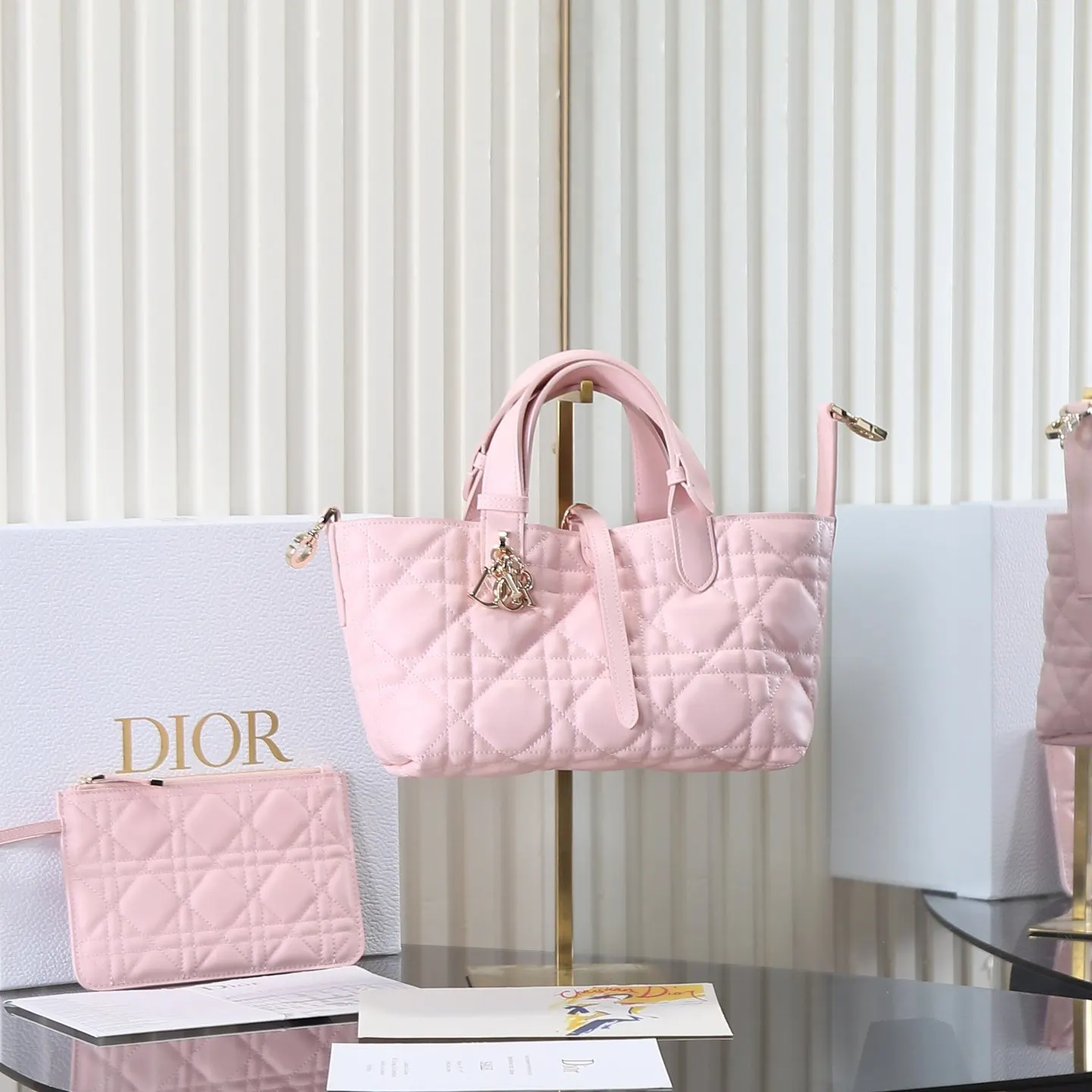
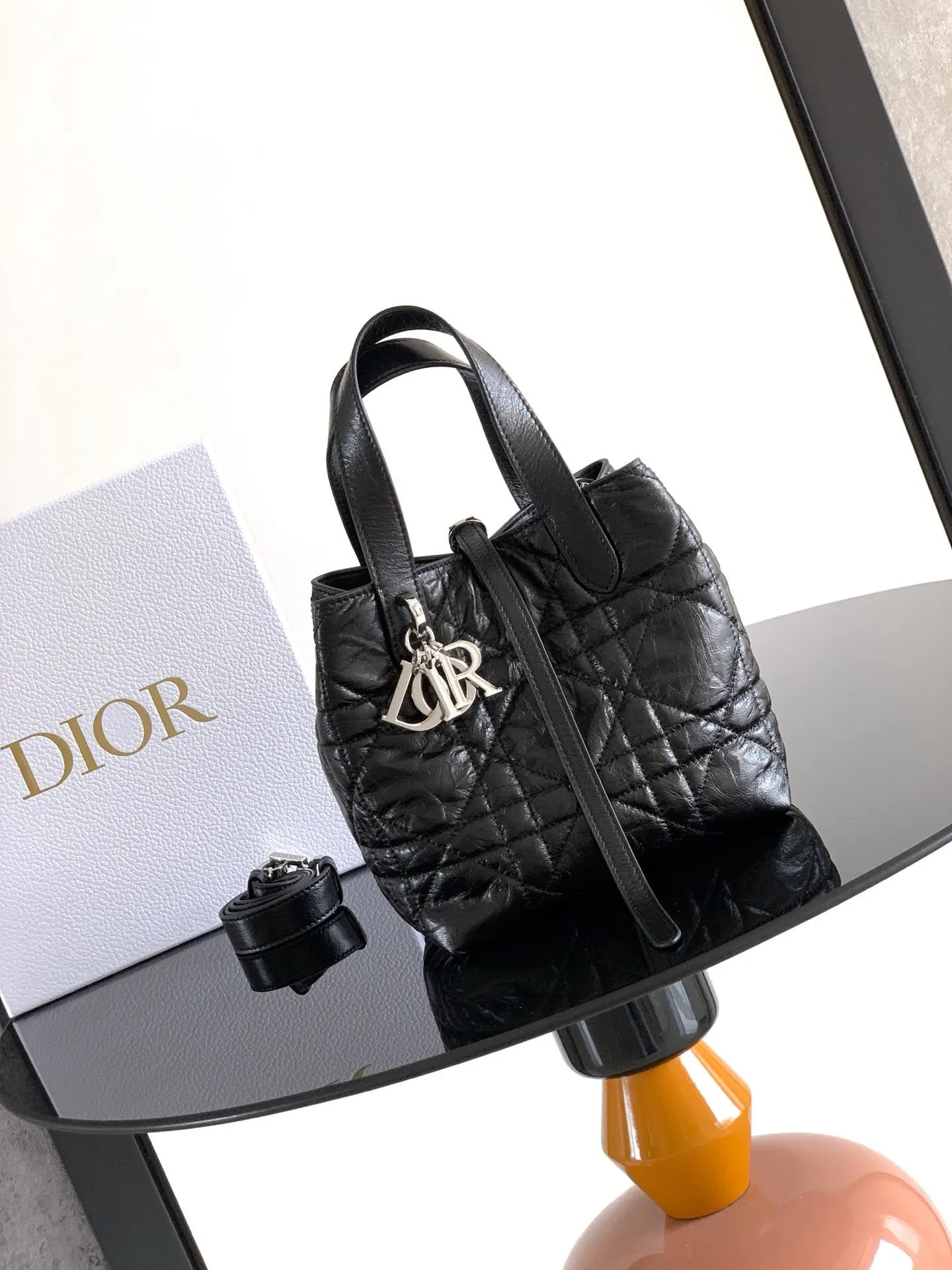
Illustrative product image from the ORBUYBAG catalog.

The quick answer

To reduce mold risk, store bags only when they are clean and fully dry, keep air moving around them, avoid sealed plastic, and control prolonged dampness in the room. Use a breathable dust bag, support the shape with clean light stuffing and inspect the collection regularly.

Desiccant packets can support a broader moisture-control routine, but they are not a substitute for ventilation or a room dehumidifier. Replace or reactivate them according to their instructions and keep them from direct contact with delicate surfaces.

Humidity creates a storage problem, not just a cleaning problem

How to Store Fashion Bags in Humid Weather and Prevent Mold(數字2)

Mold grows when organic residue, moisture, warmth and limited airflow remain together. A bag that looks clean can still contain skin oils, dust or moisture in the handles, lining and seams.

The most important step is to avoid putting a recently used or damp bag directly into long-term storage. Empty it, remove loose dust and allow it to air in a shaded indoor space. Check the base, corners, under the flap and inside pockets.

Rapid changes between very damp and very dry conditions can also stress natural materials. Aim for a stable, comfortable indoor environment rather than placing bags directly beside a strong heater or dehumidifier outlet.

Use airflow and spacing

Do not pack bags tightly together. Leave enough space for air to circulate and for each bag to keep its natural shape. Crowded shelves can trap moisture and cause hardware or textured surfaces to press against neighboring items.

An open shelf inside a clean wardrobe is often better than a completely sealed container in a humid room. If a cabinet has a persistent musty smell, solve the cabinet or room condition before returning the bags.

Open the wardrobe regularly and run appropriate room ventilation or dehumidification. In very humid seasons, a small hygrometer can help you notice prolonged damp conditions instead of relying only on how the room feels.

Choose breathable covers

A dust bag protects against dust and light friction while allowing some airflow. Clean cotton or another breathable, non-dye-transfer fabric is usually preferable to tightly sealed plastic for routine storage.

Plastic can trap residual moisture, especially when the bag was not completely dry. Clear plastic also allows light exposure, which may affect some colors over time. If a temporary protective cover is used during transport, remove it when the bag returns to storage.

Wash or replace a dusty storage cover before using it again, and make sure the cover itself is completely dry.

Support the shape without overstuffing

How to Store Fashion Bags in Humid Weather and Prevent Mold(數字3)

Light stuffing helps a bag maintain its shape and keeps soft panels from collapsing. Use clean, unprinted, non-dye-transfer paper, acid-free tissue or a purpose-made insert that fits without pressure.

Do not force the corners outward or stretch the zipper. Heavy stuffing can distort the bag just as easily as no stuffing. Avoid printed newspaper because ink may transfer, and avoid damp textiles.

Remove detachable straps when the design allows, or position them so they do not press permanent lines into the leather. Wrap metal chain sections in clean soft material if they rest against the bag surface.

Handle desiccants carefully

Silica gel or another suitable desiccant can help inside a wardrobe, but it has a limited capacity. Follow the manufacturer’s instructions for quantity, replacement and reactivation.

Do not place loose granules directly inside a bag. Keep packets intact and avoid direct contact with delicate leather or fabric. A saturated packet will not continue absorbing moisture effectively.

For a consistently humid room, a dehumidifier and improved airflow are more reliable than filling every bag with packets. Treat the room environment first.

Create a monthly inspection routine

During humid periods, inspect stored bags regularly. Look at the base, corners, handles, stitching, lining and underside of flaps. Smell can reveal a problem before visible spotting appears.

Rotate the position of bags so the same side is not pressed against a wall for months. Air the wardrobe and check whether the stuffing or dust bag feels damp. Wipe only loose dry dust with an appropriate soft cloth; do not apply conditioner automatically to every material.

Record any recurring problem. If the same shelf or cabinet repeatedly develops moisture, move the collection and address the source.

What to do if you suspect mold

Isolate the affected item from the rest of the collection. Do not shake or brush visible mold inside the living area because spores can spread to other surfaces and items.

Photograph the condition, place the item in a ventilated location away from direct sunlight and seek a professional cleaner experienced with the relevant material. Home remedies can set stains, remove color or push contamination deeper into seams and lining.

Clean and dry the storage area before returning unaffected bags. Inspect neighboring items because early mold may be difficult to see.

Choose the storage location carefully

Avoid exterior walls that remain damp, shelves directly under an air-conditioning drip risk, bathrooms, kitchens and unventilated storerooms. Keep bags off the floor, where moisture and temperature changes can be stronger.

Sunlight is not a safe substitute for dehumidification. Long exposure can fade color and dry some materials. Use a shaded indoor area with stable airflow, and keep the collection away from fragrance diffusers, aerosol products and cleaning chemicals that may settle on surfaces.

Material-specific considerations

Smooth and grained leathers should be kept away from prolonged dampness and direct heat. Soft lambskin can mark easily, so avoid rough covers and crowded shelving. Coated canvas may resist surface moisture better, but its leather trim, stitching and lining still require care. Fabric and suede surfaces can hold dust and moisture, making airflow especially important.

Hardware also reacts to humid environments. Keep it dry, avoid contact with damp stuffing and do not apply household coatings that could transfer to the surrounding material.

A seasonal storage checklist

At the start of a humid season, clean the wardrobe, test the dehumidifier, replace saturated moisture-control products and inspect every dust bag. Before the season ends, check for hidden marks, remove unnecessary stuffing and rotate items that have not been used.

A simple written checklist helps when the collection is large. Record the bag, material, last inspection date and any issue found. Early action is usually easier than treating widespread mold or long-term deformation.

Prevention is a collection-wide habit

Mold prevention works best when every item follows the same routine. Returning one damp bag to a crowded cabinet can affect nearby pieces. Make drying, light cleaning and inspection part of the process after use, not an occasional rescue task performed only when an odor or visible spot appears.

Frequently asked questions

Should I keep bags in their original boxes?

A clean box can protect from dust and pressure, but in humid weather it may restrict airflow. Use it only when the bag is fully dry and the storage environment is controlled.

Can I store bags in plastic bags?

Sealed plastic is generally unsuitable for routine long-term storage because it can trap residual moisture.

How often should I inspect stored bags?

During humid periods, a monthly check is practical. Inspect more often if the room has a known moisture problem.

Can silica gel prevent mold by itself?

No. It can support moisture control, but airflow, a dry room and storing clean, fully dry items are more important.

Need help choosing?

Use the care checklist before storing any bag. For product-specific material questions, contact support and request the exact material description before applying a cleaner or protector.

EU Shoe Size Guide for Online Shopping: How to Measure Your Feet Correctly

26 Jul, 2026

EU Shoe Size Guide for Online Shopping: How to Measure Your Feet Correctly

26 Jul, 2026

How to Keep White Leather Sneakers Clean Without Damaging the Finish

How to Keep White Leather Sneakers Clean Without Damaging the Finish
嵐奢包