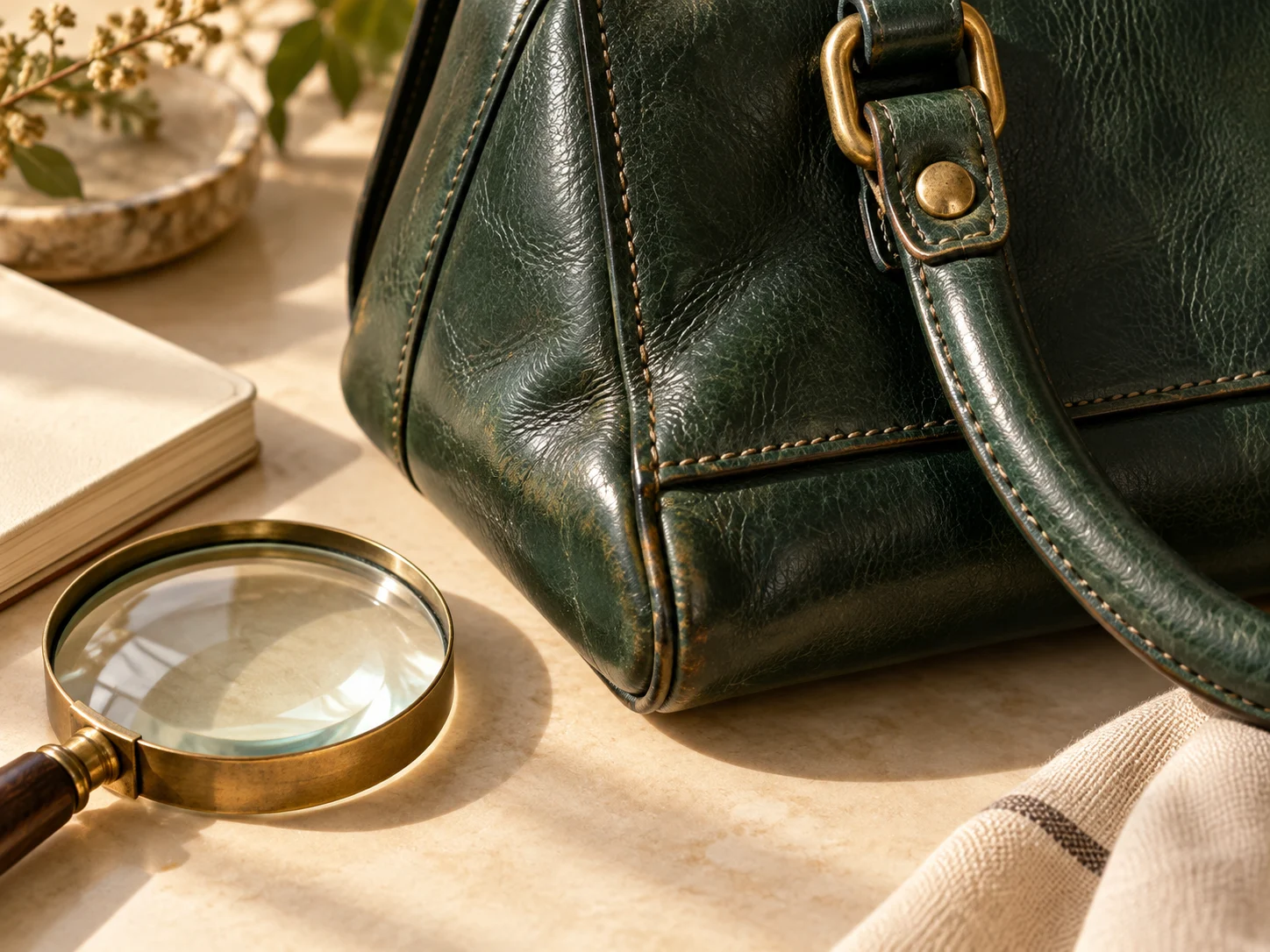
Une croix de voyage devrait être assez près pour surveiller sans restreindre les mouvements.
La réponse rapide
Un bon sac de voyage est assez compact pour rester près du corps mais assez grand pour le téléphone, portefeuille, passeport, clés, chargeur et un ou deux extras d'une journée. Choisissez une fermeture à glissière complète ou un rabat bien recouvert, une sangle réglable avec des points de fixation renforcés et une poche intérieure pour les articles les plus importants. Le sac doit reposer entre la taille et la hanche supérieure sans osciller. La sécurité provient d'un accès contrôlé, de la sensibilisation et de l'emballage raisonnable plutôt que d'une seule caractéristique.
Commencez par l'essentiel de voyage, pas la charge maximale
Voyage encourage le suremballage parce que chaque article semble utile. Commencez par les objets qui doivent rester avec vous : téléphone, portefeuille, identification, clés, documents de voyage, médicaments si nécessaire et un chargeur compact. Ajouter les lunettes de soleil, les tissus et une petite bouteille seulement lorsque le sac peut les transporter sans devenir encombrant. Les articles nécessaires rarement pendant la journée peuvent rester dans les bagages principaux. Un corps croisé fonctionne mieux quand il est assez léger pour se maintenir devant le corps sans ajustement constant.
Séparer les objets de valeur des articles de commodité. Un passeport ou une carte de rechange appartient à une poche intérieure zippée, tandis que les tissus ou une carte de transit peuvent utiliser une section d'accès plus facile. Évitez de transporter chaque carte, clé en double ou produit cosmétique grandeur nature. Une charge plus petite et organisée améliore à la fois le confort et la sensibilisation. Lorsque le sac n'est pas bondé, vous pouvez remarquer rapidement si une fermeture éclair est ouverte ou si un article est manquant.
Choisissez une taille qui reste près du corps
De très petits sacs peuvent forcer les documents à plier ou rendre le téléphone difficile à récupérer. De très grands sacs croisés peuvent se balancer, tirer sur l'épaule et devenir gênants dans les foules. Une forme compacte moyenne est généralement la plus équilibrée pour les voyages en ville. Vérifiez que la largeur du sac ne s'étend pas loin derrière le corps lorsqu'il est porté à l'avant. Un profil plus plat est plus facile sous un manteau et moins susceptible d'attraper sur des sièges, des portes ou d'autres passagers.
La profondeur compte autant que la largeur. Un sac profond rempli d'une bouteille et d'un sachet volumineux peut se projeter vers l'extérieur même lorsque ses dimensions avant semblent modestes. Les conceptions structurées maintiennent un contour propre, mais peuvent se sentir fermes contre la hanche. Les conceptions douces sont conformes au corps, mais peuvent permettre aux objets de collecter en bas. Comparer la charge prévue avec la mesure latérale et choisir le plus petit profil qui se ferme encore naturellement.
Une fermeture sécurisée fonctionne mieux lorsque des articles importants ont également des poches intérieures dédiées.
Utiliser des couches de fermeture plutôt que de s'appuyer sur une seule caractéristique
Une fermeture éclair complète est généralement la fermeture la plus simple et sécurisée pour le voyage. La fermeture à glissière doit se déplacer en douceur et s'asseoir sous une petite lèvre ou près du corps lorsqu'elle est portée. Un rabat ajoute une couche visuelle et physique, bien qu'un rabat magnétique facile ne soit pas traité comme un verrou. Les cordons sont pratiques, mais laissent plus de place pour les mains ou la pluie. Un haut ouvert est mieux pour les environnements contrôlés que les rues bondées ou les transports en commun.
À l'intérieur de la fermeture principale, utilisez une poche zippée pour le passeport, de l'argent ou une carte importante. Gardez le téléphone dans une poche qui peut être atteint sans ouvrir la section la plus profonde. Évitez de placer des objets de valeur dans une poche arrière exposée à moins qu'il ne soit solidement fixé contre le corps et ait une fermeture fiable. Plusieurs couches réduisent les pertes accidentelles et rendent l'accès plus délibéré, mais la disposition devrait rester assez simple à utiliser sans regarder vers le bas pendant longtemps.
Inspecter la sangle et les points de fixation
La sangle porte toute la charge pendant des heures, donc le confort et la matière de construction. Une sangle en cuir ou en tissu de largeur moyenne distribue généralement mieux la pression qu'une chaîne mince. Vérifiez si la sangle est réglable sur les vêtements légers et les vêtements de dessus. La boucle ne devrait pas s'asseoir directement sur la clavicule, et la queue ne devrait pas accrocher si longtemps qu'elle l'attrape. Une sangle amovible est utile, mais les clips doivent se fermer complètement et ne pas tourner sous la charge.
Les points d'attache doivent être renforcés et positionnés de façon à ce que le sac soit suspendu au niveau. Lorsque les deux anneaux sont rapprochés, le sac peut tourner ou l'extrémité. Lorsqu'ils sont placés à des extrémités opposées, le corps reste généralement stable. Demandez des photos de coutures, onglets et anneaux. Les voyages fréquents créent des mouvements répétés, et les zones d'attachement faibles peuvent porter plus vite que le matériau principal. Le confort s'améliore également lorsque le sac reste plat au lieu de rebondir à chaque étape.
Réglez la hauteur de port avant le voyage
Une croix portée trop bas balance contre la cuisse et est plus difficile à surveiller. Porté trop haut, il peut restreindre le bras ou se sentir serré à travers la poitrine. Pour beaucoup de gens, la position la plus pratique est entre la taille et la hanche supérieure, avec l'ouverture principale facile à atteindre en utilisant une main. Essayez le sac avec le manteau ou la veste attendu pendant le voyage parce que les vêtements d'extérieur changent la longueur de la sangle et comment le matériau se déplace.
Dans les endroits surpeuplés, tourner le sac vers l'avant sans tirer la sangle fermement à travers le cou. Lorsque vous êtes assis, gardez-le sur les genoux ou entre le corps et le bras plutôt que de l'accrocher derrière une chaise. Le but d'une croix-corps est de garder les mains libres tout en maintenant le contrôle. Une position confortable rend ce contrôle naturel; une position maladroite encourage le porteur à enlever le sac ou à le placer quelque part moins sûr.
La longueur, la largeur et la position de fixation déterminent le confort pendant toute une journée.
Plan de poches autour de la séquence d'utilisation
Placez les articles en fonction de leur fréquence. Les cartes de transit et le téléphone ont besoin d'un accès rapide mais contrôlé. L'identification et l'argent de réserve ont besoin d'un emplacement intérieur protégé. Un chargeur peut s'asseoir dans le compartiment principal, tandis que les clés doivent être isolées afin qu'elles ne grattent pas un téléphone ou des lunettes. Cette séquence réduit le nombre de fois que le sac entier est ouvert et limite les valeurs de temps sont visibles.
Trop de poches peuvent être confuses pendant le voyage, en particulier lorsque plusieurs fermetures éclair semblent identiques. Un système transparent est préférable : une poche sécurisée, une poche d'accès rapide et un espace principal. Utilisez une petite pochette pour les câbles ou les articles personnels. Évitez les pièces de monnaie et les reçus qui collectent en bas. Un sac facile à comprendre est plus facile à vérifier avant de quitter un café, un taxi ou un hôtel.
Considérer la météo et le contact de surface
Les sacs de voyage rencontrent la pluie, la poussière, les sièges publics et la manipulation répétée. Le cuir grainé, la toile enduite et certains tissus techniques peuvent être plus indulgents que des finitions lisses très délicates, bien que chaque matériau ait encore besoin de soins. Une fermeture éclair et une ouverture légèrement protégée aident sous la pluie légère, mais aucun sac de mode ordinaire ne doit être supposé étanche. Conservez les documents de voyage dans un manchon protecteur et portez une petite housse lorsque la pluie est forte.
Les couleurs neutres foncées ou moyennes peuvent mieux cacher les marques quotidiennes que les finitions très pâles. Cependant, le denim foncé ou les vêtements d'extérieur peuvent transférer le colorant dans un sac léger, et le hardware de manteau rugueux peut frotter le panneau arrière. Vérifiez la surface après de longs jours et retirez doucement la poussière sèche. N'utilisez pas de lingettes domestiques agressives sur le cuir ou les surfaces enduites. Les instructions d'entretien spécifiques aux matériaux sont plus sûres qu'une méthode de nettoyage universelle.
Demander la bonne preuve en ligne
Demander des photos avant, arrière, côté, base, intérieur et sangle-attache. Demandez une vidéo montrant chaque fermeture et la sangle ajustée de la plus courte à la plus longue. Confirmez les mesures en centimètres et demandez si le téléphone et le passeport s'inscrivent dans les poches prévues. Une photo du produit avec le sac porte-corps aide à l'échelle, mais la hauteur du modèle et le réglage de la sangle doivent être indiqués lorsque c'est possible.
Examinez si la fermeture éclair peut être ouverte d'une main, si le rabat expose le compartiment principal et si la poche arrière est à plat. Vérifiez le matériel pour les bords lisses qui pourraient attraper des vêtements. Si le sac sera utilisé pour les vols, confirmez si la sangle peut être détachée pour l'emballage et si le corps peut se poser à plat sans écraser. Ces détails pratiques sont plus importants que des étiquettes comme celles qui sont prêtes à voyager ou contre le vol.
Comprendre ce que les fonctions de sécurité ne peuvent pas faire
Aucun sac ne remplace la sensibilisation. Les clips verrouillables, les poches cachées et les matériaux résistants aux coupures peuvent ajouter de la friction, mais ils ne protègent pas contre le fait de laisser le sac ouvert, de le placer derrière une chaise ou de transporter des objets de valeur inutiles. Les verrous compliqués peuvent également ralentir l'accès et encourager l'utilisateur à les laisser désengagés. Choisissez des fonctionnalités qui seront utilisées de façon cohérente plutôt que des détails impressionnants qui rendent le sac difficile à manipuler.
Conserver des copies numériques des documents essentiels dans un endroit sûr approprié, séparer les cartes lorsque cela est pratique et examiner le contenu avant chaque jour de voyage. Dans l'hébergement, enlever les articles non nécessaires à l'extérieur. Une charge contrôlée et un système de poche cohérent facilitent la détection des pertes. La meilleure routine de sécurité de voyage combine un sac bien conçu avec des habitudes attentives.
Erreurs courantes de corps croisés
Une erreur courante est de choisir une sangle trop fine pour la charge attendue. Un autre est de choisir un sac basé uniquement sur les dimensions avant et ignorer la profondeur. Les voyageurs peuvent placer le passeport dans une poche extérieure, porter le sac derrière le corps dans des foules ou le remplir de façon excessive jusqu'à ce que la fermeture éclair reste ouverte. Certains choisissent un sac hautement structuré qui presse incomfortablement pendant de longues promenades, tandis que d'autres choisissent un sac souple sans section interne sécurisée.
Évitez de supposer que plus de fermetures éclair sont plus sécuritaires. Inspectez l'emplacement de chaque ouverture et la facilité avec laquelle elle peut être surveillée. Évitez de transporter une grande bouteille s'il fait pivoter le sac; utilisez une solution de bouteille séparée ou une taille plus petite. Enfin, n'attendez pas le premier jour de voyage pour régler la sangle et organiser les poches. Portez le sac entièrement emballé pour une promenade locale et corrigez tout problème de confort ou d'accès à l'avance.
Foire aux questions
Quelle est la fermeture la plus sûre pour un traversier de voyage?
Une fermeture à glissière pleine et lisse combinée avec une poche intérieure protégée est pratique pour de nombreux voyageurs. Un rabat peut ajouter une autre couche, mais toute la disposition et les habitudes de port de la matière.
Où devrait s'asseoir un sac pour le corps ?
Habituellement entre la taille et la hanche supérieure, assez près pour contrôler et assez haut pour éviter les oscillations. Régler pour la hauteur du corps, l'épaisseur de la couche et la forme du sac.
Une poche arrière est-elle sûre pour un passeport ?
Seulement quand il ferme de façon fiable et se tient à plat contre le corps. Une poche intérieure zippée est généralement un endroit plus contrôlé pour un passeport ou une carte de rechange.
Quelle taille devrait être une croix de voyage?
Assez grand pour les documents essentiels de la journée, téléphone, portefeuille, clés et quelques extras compacts, mais assez petit pour rester léger et proche du corps.
Guides connexes
Tote, épaule ou corps croisé ?
Guide des tailles de sac à main
Guides pour sacs à main
Besoin d'aide pour comparer un article?
Examiner les mesures, les matériaux et l'utilisation prévue avant de commander. Pour des questions spécifiques au produit, contactez le support ORBUYBAG et demandez des photos claires, des dimensions et une courte vidéo de détail.
Conseils révisés : vérifiez la pièce, le devis et les conditions du service avant tout achat.