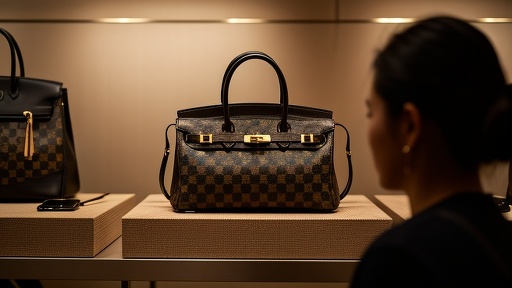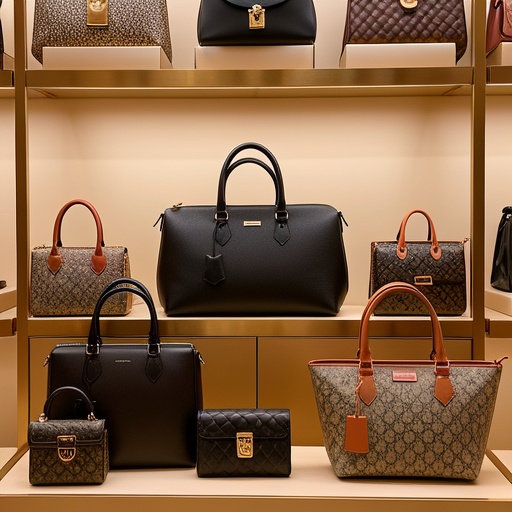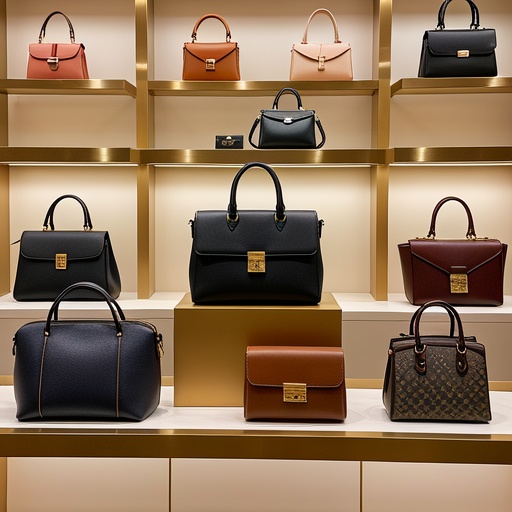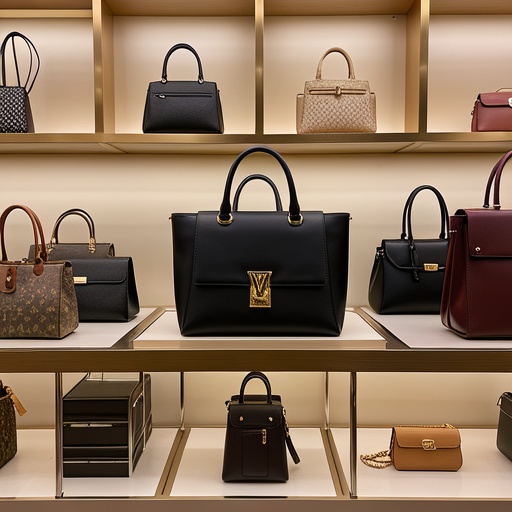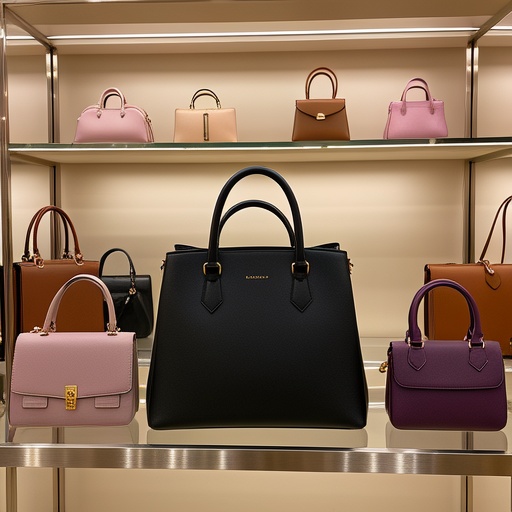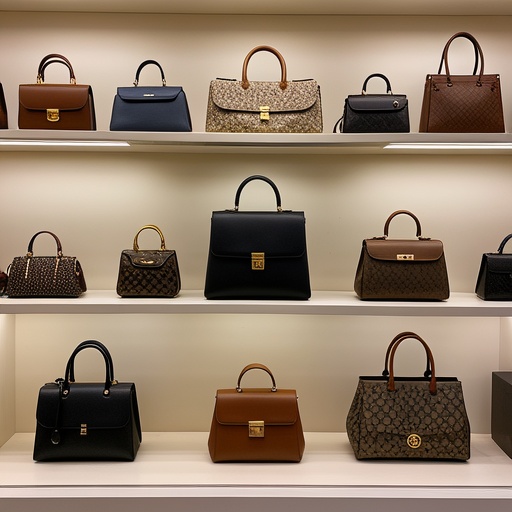
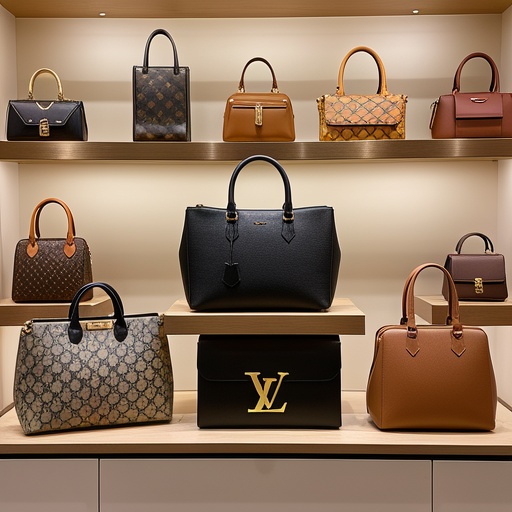
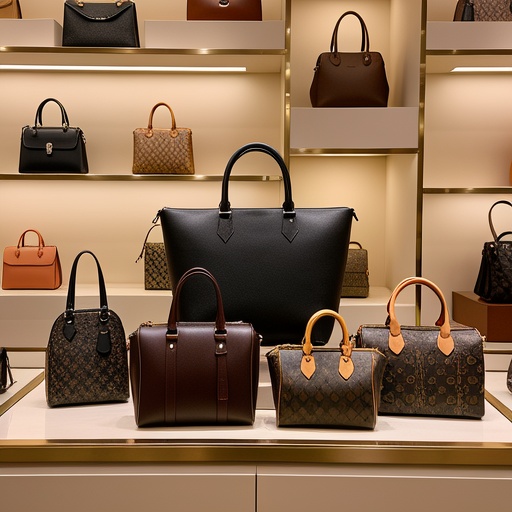
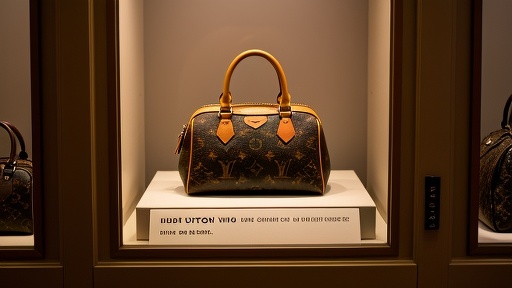
In the field of fashion and collection, the high-end second-hand luxury goods trade is becoming more and more popular, among which medieval bags are even more popular. Medieval bags, that is, second-hand brand bags, have become the favorite of many fashion lovers and collectors because of their unique sense of age, scarcity and relatively close price. However, the medieval bag market is mixed, and it is crucial to choose a favorite and reliable medieval bag, as well as to master the anti-counterfeiting identification method.
When buying a medieval bag, you must first clarify your needs and preferences. There are various styles of medieval bags, from the classic LV Monogram series to Chanel's classic CF bags, different brands and styles have different styles and values. Consider your daily matching needs and collection goals to make the purchase more targeted.
Second, choose reliable trading channels. Reputable second-hand luxury goods stores and professional online trading platforms are good choices. These channels usually have stricter product review mechanisms, which can ensure the authenticity and quality of goods to a certain extent. For example, some well-known second-hand luxury goods e-commerce platforms will conduct authenticity identification and quality evaluation of each item on the shelves.
Furthermore, check the product details carefully. Medieval bags are second-hand items after all, and there will be more or less traces of use. But pay attention to whether the degree of wear and tear matches the seller's description, whether the hardware is seriously oxidized or scratched, and whether the leather of the bag body is damaged or deformed. At the same time, check the internal details of the bag, such as whether the lining is clean and the zipper is smooth.
In terms of anti-counterfeiting identification, brand logos are important identification points. Different brand logos have unique design and process details. Take Hermès as an example, the font, letter spacing, and engraving depth of its brand logos have strict standards, and it is often difficult for imitations to be exactly the same.
Hardware is also the key to identification. The hardware of genuine medieval bags is usually of high texture, uniform color and brand-specific logo. For example, Chanel hardware has fine workmanship and clear logo engraving, while imitation hardware may have rough edges, blurry engraving and easy fading.
In addition, the leather and wiring cannot be ignored. The leather of the genuine medieval bag is made of high-quality materials, which feel comfortable and have a natural texture. The wiring is uniform and fine, and the needle distance is the same. The imitation leather may have poor texture and the wiring may be crooked.
Mastering the purchasing points and anti-counterfeiting identification methods of medieval bags allows us to avoid detours in high-end second-hand luxury goods transactions, harvest our favorite treasures, and avoid falling into trading traps to enjoy the unique charm and value of second-hand luxury goods.