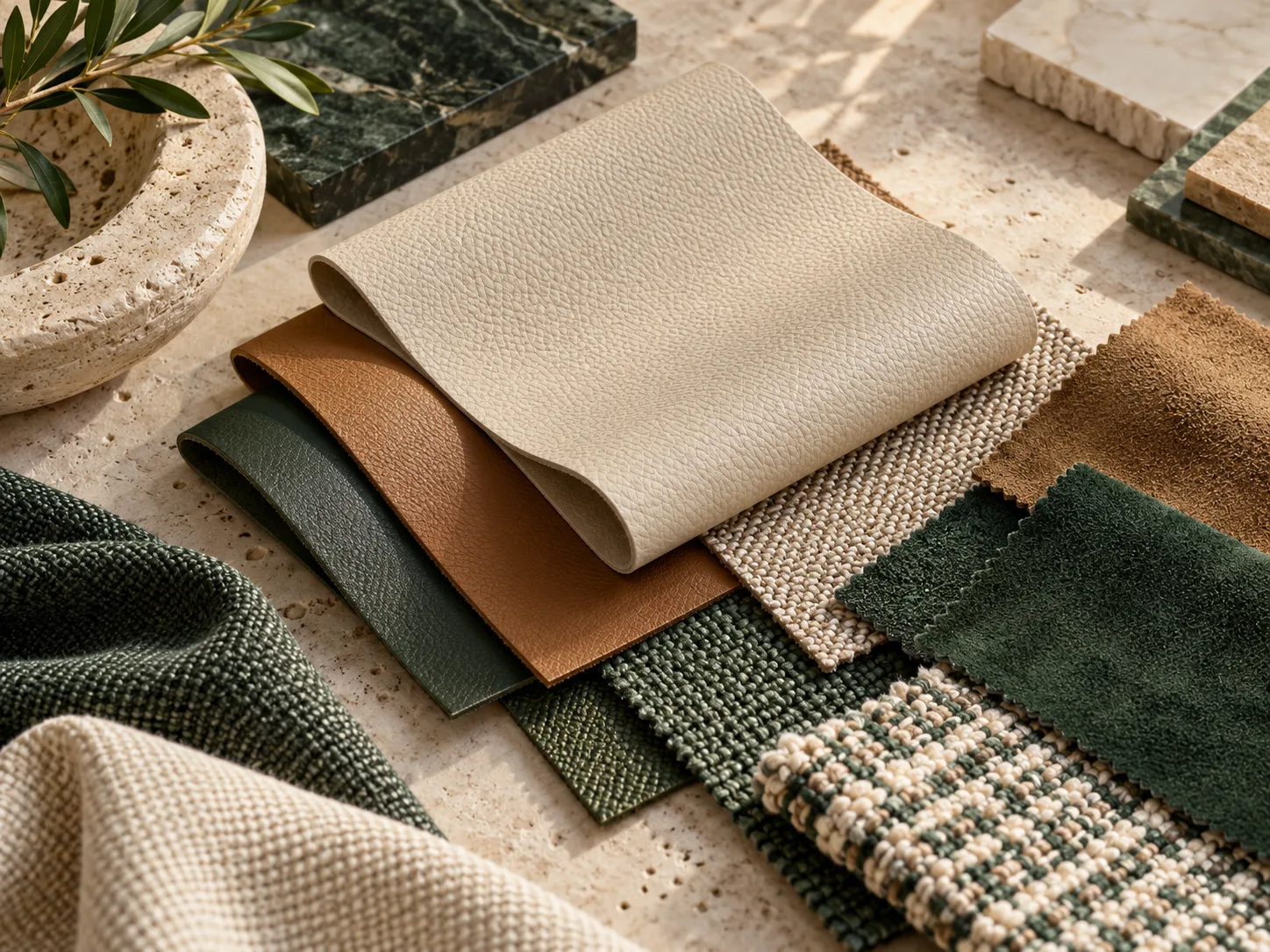
Leder bietet in der Regel eine saubere Oberfläche und moderate Struktur.
Die schnelle Antwort
Wählen Sie Leder-Sneaker für einen sauberen, vielseitigen Look und eine Oberfläche, die oft sorgfältig abgewischt werden kann. Wählen Sie Wildleder für Weichheit, Textur und ein entspanntes Finish, wenn die Trockenwetterpflege realistisch ist. Wählen Sie Stoff für Leichtigkeit, Flexibilität und ungezwungenen Komfort, wenn das Weben und die Farbe zu Ihrer Routine passen. Kein Material ist wartungsfrei. Die Sohle, das Futter, die Konstruktion und die Farbe können genauso wichtig sein wie das Obermaterial, also vergleichen Sie den gesamten Schuh, anstatt nur aus dem Materialnamen zu wählen.
Was der Materialname tut und nicht sagt Ihnen
Eine Auflistung kann Leder, Wildleder oder Stoff sagen, ohne die Dicke, das Finish, den Rücken oder das Futter zu erklären. Glattes Leder kann weich oder stark beschichtet sein. Suede kann fein und dicht oder offen und zart sein. Gewebe kann Leinwand, Gewirke, Maschen oder ein Mischgewebe bedeuten. Diese Unterschiede beeinflussen Struktur, Atmungsaktivität, Reinigung und wie schnell Markierungen erscheinen. Fragen Sie nach nahen Fotos und einer vollständigen Materialbeschreibung.
Bestätigen Sie auch, ob das angegebene Material die volle Oberseite oder nur Paneele abdeckt. Ein Ledersneaker kann Gewebeauskleidung und synthetische Verstärkung umfassen. Ein Stoffschuh kann Wildleder haben, das seine Pflegebedürfnisse ändert. Die empfindlichste Komponente bestimmt oft, wie der ganze Schuh gereinigt werden soll.
Leder-Sneaker: vielseitig und strukturiert
Glattes oder gekörntes Leder gibt Sneakern normalerweise einen raffinierten Umriss, der mit Denim, Hosen und Smart-Casual-Kleidung funktioniert. Es bietet moderaten Windwiderstand und kann leichten Oberflächenstaub behandeln, wenn es sofort gereinigt wird. Kornierte Oberflächen neigen dazu, kleine Flecken besser zu verbergen als sehr glattes oder blasses Leder. Der Kompromiss ist das Gewicht und die Möglichkeit der Knitterbildung an Flexpunkten.
Leder sollte nicht wasserdicht angenommen werden. Wasser kann Farbe, Finish, Kanten und Klebstoffe beeinflussen. Verwenden Sie ein trockenes weiches Tuch für losen Staub und befolgen Sie materialspezifische Pflegeanweisungen. Testen Sie jeden Reiniger oder Protektor in einem versteckten Bereich. Vermeiden Sie Alkohol, harte Tücher und direkte Hitze, die trocknen, verfärben oder die Oberfläche beschädigen können.
Suede bringt Textur, braucht aber mehr Schutz vor Feuchtigkeit und Reiben.
Suede Sneakers: Textur mit höheren Pflegebedürfnissen
Suede schafft Tiefe und einen weicheren visuellen Effekt. Es passt natürlich zu lässigen Schneidereien, Strickwaren und tonalen Outfits. Das Nickerchen kann Farben reicher erscheinen lassen, hält aber auch Staub und ändert die Richtung, wenn es gerieben wird. Lichtmarken können mit einer geeigneten Wildlederbürste reduziert werden, die sanft verwendet wird, nachdem der Schuh vollständig trocken ist.
Feuchtigkeit, Öl- und Farbstoffübertragung sind auf Wildleder schwieriger als auf vielen glatten Oberflächen. Ein geeigneter Protektor kann helfen, aber die Kompatibilität muss getestet werden und macht den Schuh nicht wasserdicht. Vermeiden Sie das Tragen von empfindlichem Wildleder bei starkem Regen oder Umgebungen mit häufigen Verschüttungen. Professionelle Pflege ist sicherer für erhebliche Flecken oder Farbänderungen.
Stoff-Sneakers: leicht und flexibel
Leinwand und gewebte Textilien fühlen sich oft leichter und flexibler an als Leder. Sie können für warmes Wetter und lange ungezwungene Tage geeignet sein, obwohl die Atmungsaktivität auch von Futter und Polsterung abhängt. Stoff passt sich leicht an, kann aber Wasser und Flecken absorbieren. Blasse Farben zeigen schnell Markierungen, während dunkle Farben je nach Gewebe verblassen oder Staub zeigen können.
Gehen Sie nicht davon aus, dass jeder Stoffsneaker maschinell gewaschen werden kann. Verstärkung, Lederverkleidungen, Klebstoffe und gedruckte Oberflächen können beschädigt werden. Folgen Sie dem Pflegeetikett des Produkts. Spot Reinigung mit minimaler Feuchtigkeit ist oft sicherer als Einweichen. Lassen Sie Schuhe von direkter Hitze auf natürliche Weise trocknen und behalten Sie bei Bedarf ihre Form mit sauberem absorbierendem Papier bei.
Vergleichen Sie Komfort und Einbruch
Weicher Stoff kann sich sofort wohlfühlen, während Leder fester beginnen und sich bescheiden anpassen kann. Suede fühlt sich oft flexibel an, aber die innere Struktur kann immer noch steif sein. Die Passform sollte von Anfang an richtig sein: Die Zehen brauchen Platz, die Ferse sollte kontrolliert bleiben und der breiteste Teil des Fußes sollte sich mit dem Schuh ausrichten. Materialweichheit kann eine falsche Sohlenform nicht ausgleichen.
Betrachten Sie Nähte und Overlays. Ein flexibles Oberteil mit einer starren Naht über dem Vorfuß kann Druck erzeugen. Dickes Leder um den Kragen herum kann allmählichen Verschleiß erfordern, während ein dünner Stoffkragen reiben kann, wenn die Ferse rutscht. Probieren Sie Schuhe mit den vorgesehenen Socken aus und gehen Sie drinnen, bevor Sie sich entscheiden.
Stoff kann sich leicht und flexibel anfühlen, obwohl die Reinigung vom Gewebe und der Konstruktion abhängt.
Wetter- und Reiseüberlegungen
Für unvorhersehbare Reisen kann gekörntes Leder oder ein Mixed-Material-Sneaker einfacher zu verwalten sein als blasses Wildleder, aber kein Mode-Sneaker sollte ohne explizite Konstruktionsinformationen wetterfest behandelt werden. Stoff kann nach dem Einweichen langsam trocknen, und Wildleder sollte vor längerer Feuchtigkeit geschützt werden. Tragen Sie eine separate Regenoption, wenn die Prognose schwerwiegend ist.
Auch das Packen unterscheidet sich. Weichstoffschuhe komprimieren sich leichter, können aber an Form verlieren. Strukturierte Lederschuhe brauchen Platz und Unterstützung. Suede sollte von groben Gegenständen ferngehalten werden, die das Nickerchen abflachen. Verwenden Sie saubere Schuhtaschen und füllen Sie die Zehe leicht, anstatt den Schuh in einen überfüllten Koffer zu zwingen.
Farbe verändert die Wartungslast
Weißes Leder verleiht ein sauberes Aussehen, zeigt aber Abnutzung und dunkle Übertragung. Beige Wildleder kann Wasserspuren aufdecken. Schwarzer Stoff kann verblassen oder blassen Staub sammeln. Mitteltongrau, Braun, Marine und gemischte Texturen verschleiern oft den gewöhnlichen Verschleiß effektiver. Wählen Sie eine Farbe, die auf den Oberflächen, dem Wetter und der Kleidung in der realen Routine basiert, anstatt nur das Aussehen des ersten Tages.
Die Farbübertragung kann zwischen dunkler Hose und leichten Schuhen auftreten, insbesondere um den Kragen herum. Testen Sie neue Kleidung und vermeiden Sie längeren Kontakt, wenn nass. Reinigen Sie frühzeitig Markierungen mit einer Methode, die für jedes auf dem Schuh vorhandene Material geeignet ist.
Wie man Produktfotos überprüft
Suchen Sie nach genauen Ansichten der Zehe, Flexbereich, Nähte, Fersentheke, Futter und Sohle Befestigung. Fragen Sie, ob das Finish matt, beschichtet oder gebürstet ist. Fordern Sie ein Seitenvideo an, das zeigt, wie die oberen Biegungen verlaufen. Dies hilft, ein weiches Material von einer steifen Konstruktion zu unterscheiden. Bestätigen Sie, ob die Farbvariation für das Material oder einen Fotoeffekt natürlich ist.
Überprüfen Sie die Pflegeanweisungen vor der Bestellung. Wenn der Verkäufer das Oberteil, die Verkleidung und das Futter nicht identifizieren kann, wird es schwierig sein, später sichere Produkte auszuwählen. Eine klare materielle Beschreibung ist Teil des praktischen Eigentums, kein kleines technisches Detail.
Wählen Sie nach Routine
Gleichen Sie angegebenes Material, Oberflächenbehandlung und Reparaturhistorie mit der konkreten Version ab. Nahaufnahmen und eine Beschreibung der Haptik dokumentieren den Zustand, doch Weichheit, Geruch, Glanz oder Narbung allein bestimmen keine Echtheit. Vermeiden Sie Brenn-, Lösungsmittel- oder Kratztests. Bewahren Sie vollständige Fotos auf und klären Sie die vorgesehenen Prüfbedingungen.
Die beste Wahl ist nicht das Material mit dem stärksten Marketing-Anspruch. Es ist der Schuh, der passt, mit der Garderobe koordiniert und innerhalb der verfügbaren Zeit und des verfügbaren Klimas gewartet werden kann. Ein gut ausgewähltes Material sieht länger besser aus, weil es unter Bedingungen verwendet wird, mit denen es vernünftig umgehen kann.
Häufig gestellte Fragen
Sind Leder-Sneaker wasserdicht?
Nicht automatisch. Leder, Nähte, Kanten und Klebstoffe können immer noch durch Wasser beeinflusst werden.
Können Wildleder-Sneakers bei Regen getragen werden?
Leichte zufällige Feuchtigkeit kann überschaubar sein, aber empfindliches Wildleder ist besser vor starkem oder längerem Regen geschützt.
Können Stoff-Sneaker in eine Waschmaschine gehen?
Nur wenn der Hersteller es ausdrücklich zulässt. Kleber, Verkleidung und Verstärkung können durch maschinelles Waschen beschädigt werden.
Welches Sneakermaterial ist am einfachsten zu pflegen?
Kornleder ist oft praktisch für das routinemäßige Abwischen, aber Finish, Farbe und Konstruktion können die Antwort verändern.
In Verbindung stehende Leitfäden
Leder Sneaker Fit Guide
White Leather Sneaker Pflege
Handbücher für Schuhe
Brauchen Sie Hilfe beim Vergleich eines Artikels?
Überprüfen Sie die Messungen, Materialien und den Verwendungszweck vor der Bestellung. Bei produktspezifischen Fragen wenden Sie sich an den ORBUYBAG-Support und fordern klare Fotos, Abmessungen und ein kurzes Detailvideo an.
Überarbeiteter Ratgeber: Prüfen Sie Artikel, Angebot und Leistungsbedingungen vor dem Kauf.